
Fellowship With The Father – The Book Of 1st John
Who wrote the book of 1st John: John the disciple
When was it written: Most likely around 90 A.D.
In order to refresh your memory of who John was, I am repeating a portion of the introduction to the book of the Gospel of John:
John was one of the first four disciples Jesus called into full-time ministry; making him privy just about every moment of Jesus’ three-year evangelistic crusade. John is also known as the disciple that Jesus loved.
Among the twelve disciples Jesus chose as his core group of confidants and assistants, he had an even more select group of three—Peter, James, and John. And from those three we see numerous times when it was John Jesus relied on.
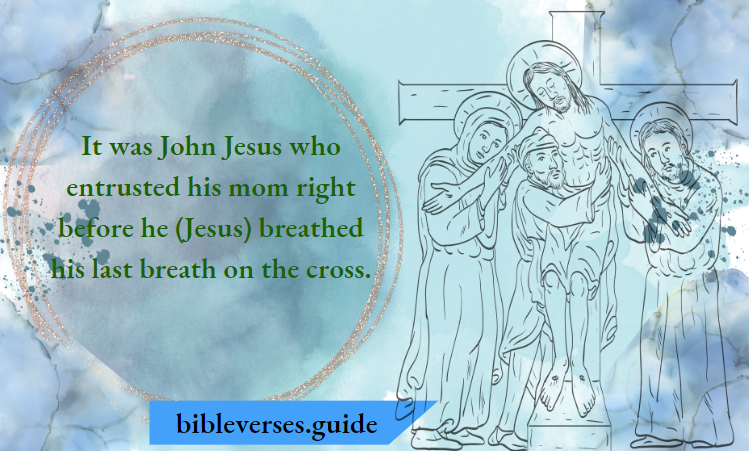
Yes, in spite of the fact that Jesus had several brothers (the writer of James and the writer of Jude being two of them), he entrusted his mother to John. But why? What made John so special?
The answer is simple: Family. John was family…Jesus’ first cousin, to be exact. The fact that Jesus, James, and John were first cousins is not specifically stated in scripture like that, i.e. “Jesus; James, and John were cousins”. But the fact presents itself in all four of the gospels when you put them together to see what they say.
Fellowship With Jesus
Fact #1: We learn early on that James and John are the sons of Zebedee.
Fact #2: The Gospel writers tell us that among the women standing with Mary (Jesus’ mother) at the cross was Mary Magdalene, Mary the mother of James the lessor, and the mother of Zebedee’s children (Matthew). The book of Mark tells us the same thing, only he calls the mother of Zebedee’s children by name—Salome.
Fact #3: Salome and Mary (Jesus’ mother) were sisters. John tells us in recording who was with Mary at the cross that the group of women consisted of Mary, Mary Magdalene, Mary the wife of Cleopas, and Mary’s sister, Salome.
Unlike Jesus’ siblings (among them, New Testament writers James and Jude), John had been with Jesus from the start of his ministry. Like Peter, he had heard, seen, lived, experienced, and spoken the truth. It was as much a part of him as his right arm. And it was because of this that John wrote this letter and the two that follow.
At the time of his writing Christians were still undergoing a tremendous amount of persecution. They were also under attack from the Gnostics. If you will remember from earlier reading, the Gnostics:
Believe Jesus was nothing more than a good man whose life is worthy to be emulated.
Believe we live more than one mortal life so there is no resurrection of the physical body.
God came from humans and is a glorified human. To say that God has always been is to say he is not real because everything has to have a beginning.
We have the capacity to be equal with God.
The body and all things made of matter are evil, but the spirit is entirely good.
Faith is a choice, but there is no condemnation in walking away from God.
John’s primary focus in this first letter was to expose the lies of the Gnostics and reassure Christians of the hope and truth of salvation and the second coming of Christ.
Christian Fellowship – What We Learn From The Book Of 1st John
- He reiterates that he is an eye-witness to the truth and that the truth was, is, and forever will be the same. (1:1-4)
- God is light and in him, there is no darkness, or evil (sin). When we walk (five) in that light all darkness (sin) will be exposed. (1:5-7)
- We are all sinners in need of the Savior and when we confess our sins before Christ he will forgive us and purify us; making us right with God. But if we claim to be without sin, we are lying and calling God a liar, as well. (1:9-10)
- We are to try to live our lives as free of sin as possible; trying to emulate Jesus in all things. But when we do fall short (and we will) we have the comfort of knowing that forgiveness is ours for the asking. (2:1-6)
- Hate has no place in the hearts and minds of Christians. (2:9-11)
- We are to live in the world, but not embrace or love the world’s view of happiness, money, pleasure, and God. The world was created by God, but it is full of evil and we are not to participate in that evil. (2:15-16)
- Those who choose God over the world (good over evil) will live forever with God. (2:17)
The antichrist: who is it? What is it? Where is it? (chapter 2)
Live in such a way that you can stand before God with confidence and assurance on the day of judgment. (2:28)
God’s love is immeasurable and we are blessed to be called his children. (3:1)
As a child of God, we are to live in sin. We will sin, but that is not the same as living in sin; repeatedly and continually doing what God has commanded us not to. Those who continually live in sin cannot be part of God’s family. Those who claim to live in Christ MUST walk as Jesus did. (3:4-10)
We shouldn’t be surprised when the world displays its hate for us because of our faith. (3:13)
Once again we are told to love one another. We are also given examples of what love ‘looks’ like. The ultimate example, of course, is the love Jesus displayed in giving his own life as a sacrifice for our sins.
After reminding us of this, John clearly states that we, too, should be willing to give our lives for our brothers/sisters in Christ. Love also shares material wealth and possessions with those in need without hesitation or resentment. He says that true love as God has called us to love is much more than just words. It is demonstrated and lived out. (3:16-18)
God knows everything and can see into the deepest, most secret places in our hearts and minds. (3:20)
When we live according to God’s commands, he will give us whatever we ask for because he knows that anything we ask for will be pleasing to him and his will for our lives. (3:23-24)
We are not to automatically believe everything we hear or are taught—even in church. We are to test the spirits, which means we are to compare or measure everything we are taught to see how it lines up with the Bible.
False teachers and antichrists are literally everywhere. We need to know the difference so we aren’t drawn away from the truth, thus putting our salvation in jeopardy. (4:1-6)
One more reminder to love each other as God loves us is given. We are told that even though we cannot see God we know he lives in us when we are capable and willing to extend to others the love he extends to us.
We also learn that when we experience the love of God and when we exhibit the love, we have nothing to fear. Nothing, (chapter 4)
- God recognizes us as his children when we carry out his commands. (5:2)
- Only those who believe that Jesus is the Son of God will overcome the world (sin). (5:5)
Fellowship With The Father
The literal translation of this verse says “…he who is believing…” This directly implies that the belief is not just a thought tucked into the back of one’s mind, but rather an active faith. To believe is to live according to your beliefs.
In other words, simply saying you believe that Jesus is God’s son is not enough. Your actions have to reflect what you say. And if your actions reflect what you say, you will be living a life of faithful obedience in all things God has commanded us to do.
A brief explanation of the trinity. (5:6-12)
When we live a life that reflects our belief that Jesus is the Son of God, we have the confidence of knowing we will spend eternity in heaven. We also have the confidence of the promise that whatever we ask for according to God’s will, will be given to us. (5:13-15)
- We are to pray for and try to help lead anyone who goes astray back to the LORD. (5:16)
- There is one sin that is unforgivable by God. (5:17)
We know from other passages of scripture (Matthew 12:31-32) that the sin John is speaking of here is blasphemy, which means to deny the existence of the Holy Spirit.
We cannot continue to live a sinful lifestyle if we want to be considered God’s child and inherit salvation. (5:18-20)
We are to keep ourselves free from (away from) idols of any kind. (5:21) NOTE: Idols are not limited to statues of things presumed to be gods or goddesses. Money, food, sex, drugs, material possessions, our career, our reputation, and even other people can become idols in our lives.
Simply speaking, an idol is anything you put more value, time, effort, and energy into than you do God and your relationship with him.