
Chapter 3 Diagnosing OCD And Seeking Help
Individuals with OCD often know that their obsessions and compulsions are irrational, but they cannot control them. Diagnosing OCD can be challenging because the symptoms can vary widely from person to person and can be easily mistaken for other conditions. In this chapter, we start by exploring how to recognize the signs and symptoms of OCD, allowing you to identify any potential red flags in yourself or your loved ones.
OCD signs and symptoms
Next, we discuss co-occurring disorders that may complicate one’s experience with OCD and the importance of understanding their simultaneous impact. We then guide you through the diagnostic process, providing insights into what to expect during evaluations and assessments.
Lastly, we emphasize the importance of finding the right mental health professional specializing in treating OCD. With their expertise and guidance, you will be better equipped to recover and regain control of your life.
Read and Learn More OCD Management Made Simple: Top Strategies and Insights
Recognizing The Signs And Symptoms Of OCD or Early signs of OCD
Obsessive-Compulsive (OCD) is characterized by recurring, unwanted thoughts, images, or impulses (obsessions) and repetitive behaviors or mental acts performed to alleviate those obsessions (compulsions).
These symptoms cause the person significant distress and interfere with daily functioning. Recognizing the signs and symptoms of OCD can help someone seek treatment sooner and improve their quality of life.
Obsessions can manifest in various ways, depending on the individual. Some common signs include:
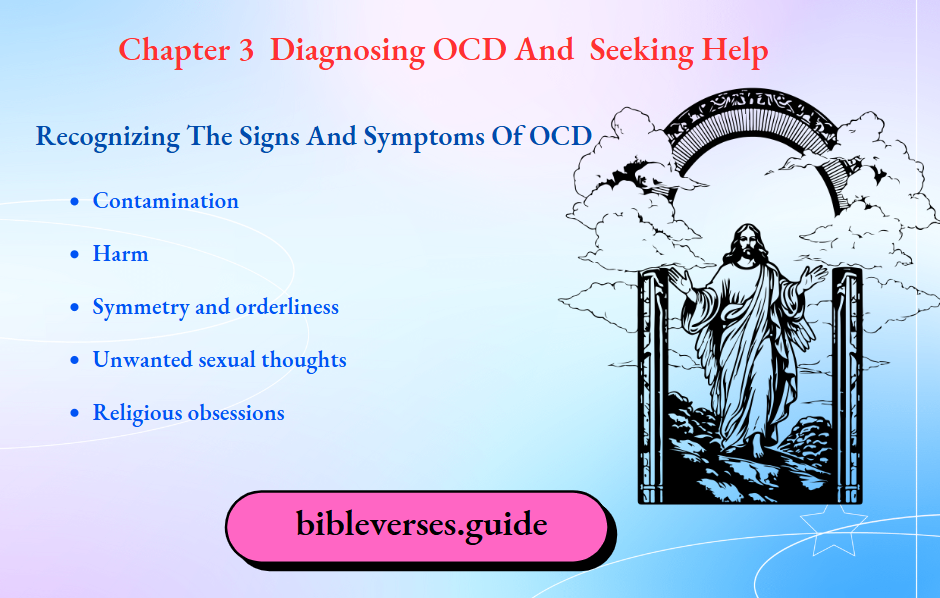
1. Contamination: Fear of germs, dirt, or contamination may lead someone with OCD to avoid certain situations or objects considered unclean. They may worry about getting sick or passing germs to others.
2. Harm: Some individuals may experience intrusive thoughts involving hurting themselves or others, even though they don’t want to act on these thoughts. They may fear that something terrible will happen if they don’t engage in particular rituals or behaviors.
3. Symmetry and orderliness: A need for everything to be perfectly aligned or organized can be seen in some people with OCD. They may worry that if things are not in order, they will bring harm to themselves or others.
4. Unwanted sexual thoughts: Some individuals with OCD struggle with invasive, unwanted sexual thoughts about taboo subjects or inappropriate behaviors. These obsessions cause significant distress and embarrassment.
5. Religious obsessions: Some individuals with OCD have obsessions related to religious themes, such as sinning, offending God, or being punished after death.
OCD signs and symptoms
Compulsions are repetitive actions performed to reduce the anxiety associated with the obsessions. These can be behaviors that others observe or mental rituals that occur internally. Common compulsions include:
1. washing and cleaning: People with OCD may constantly wash their hands, shower multiple times daily, or excessively clean objects to alleviate contamination fears.
2. Checking: Individuals may repeatedly check if doors are locked, appliances are turned off, or they haven’t harmed anyone. This behavior is performed
with the hope of preventing harm or disasters.
3. Counting or repeating: Engaging in counting or repeating certain actions a specific number of times to help reduce anxiety is another compulsive behavior seen among individuals with OCD.
4. Mental rituals: Mental rituals may involve repeating phrases, prayers, or visualizing safe images to counteract the distress caused by obsessions.
5. Ordering and arranging: OCD sufferers may compulsively arrange objects in a particular way or pattern to create a sense of order and symmetry.
Understanding OCD
Individuals with OCD may also avoid certain situations to prevent obsessions from occurring. For example, someone with contamination fears may avoid public restrooms or handshakes.
OCD symptoms can vary in intensity and frequency over time, and individuals can experience good and bad days. It is essential to recognize these signs and seek professional help if you suspect that you or someone you know might be dealing with OCD.
Treatment for OCD typically involves a combination of cognitive-behavioral therapy (CBT) and medication. CBT aims to help the individual recognize their obsessive thoughts as irrational and develop healthy coping strategies. Exposure and response prevention (ERP), a specific type of CBT, is often used to help individuals confront their fears gradually while resisting the urge to perform compulsions.
Another effective form of treatment for OCD is acceptance and commitment therapy (ACT), which focuses on accepting the presence of obsessive thoughts rather than trying to eliminate them. ACT encourages individuals to pursue valued goals despite dealing with uncomfortable thoughts.
Medications, such as selective serotonin reuptake inhibitors (SSRIs), can also be used alongside therapy for those struggling with OCD symptoms. These medications help improve mood, decrease anxiety, and relieve the intensity of obsessive thoughts and compulsions.
Recognizing the signs and symptoms of OCD can pave the way for those suffering to receive appropriate treatment and significantly improve their quality of life. Early intervention is key, so if you or someone you know may be exhibiting signs of OCD, it is crucial to consult with a mental health professional as soon as possible.
Understanding Co-Occurring Disorders
It is common for individuals with OCD to experience co-occurring disorders, which are additional mental health issues alongside their primary diagnosis. Understanding and addressing these co-occurring disorders can be crucial to treatment and long-term recovery outcomes.
The term “co-occurring disorders” refers to the presence of two or more mental health diagnoses in an individual. This can include mood, anxiety, eating, and substance use disorders. These co-occurring conditions often interact, complicating the treatment process and creating a more complex clinical picture. Some common co-occurring disorders that are found in individuals with OCD include:
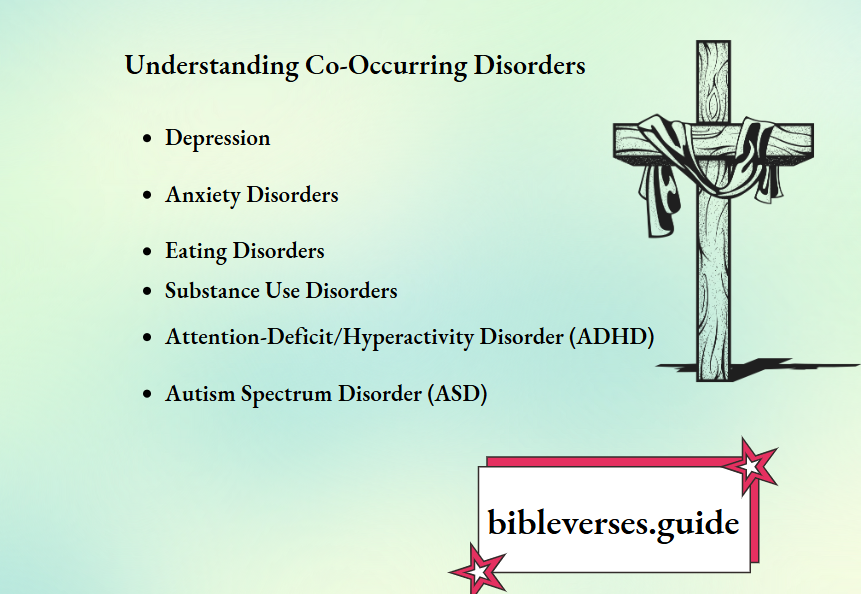
1. Depression: Studies suggest that anywhere from 30% to 50% of individuals with OCD suffer from depression at some point. This co-occurrence tends to exacerbate the symptoms of both conditions, resulting in more intense distress, incapacity, and higher rates of suicidality.
2. Anxiety Disorders: People with OCD are at an elevated risk for developing other anxiety disorders, such as generalized anxiety disorder (GAD), panic disorder, social anxiety disorder (SAD), and post-traumatic stress disorder (PTSD). This is due to overlapping diagnostic criteria and shared neurobiological underpinnings. Like depression, comorbid anxiety can compound the severity of OCD symptoms.
3. Eating Disorders: There is a significant correlation between OCD and eating disorders like anorexia nervosa, bulimia nervosa, and binge-eating disorder. The focus on ritualistic behavior in both conditions can create a vicious cycle where obsessive thoughts feed disordered eating patterns and vice versa.
4. Substance Use Disorders: Research has shown that individuals with OCD are more likely to develop substance use disorders, particularly alcohol or drug dependence. The relationship between these two conditions is complex, as substances might be used as a form of self-medication to alleviate the anxiety and distress associated with OCD.
5. Attention-Deficit/Hyperactivity Disorder (ADHD): Some evidence suggests that there may be a connection between ADHD and OCD, particularly in cases where inattention and impulsivity symptoms overlap. This comorbidity can make it difficult for affected individuals to concentrate, focus on tasks, and regulate their emotions effectively.
6. Autism Spectrum Disorder (ASD): A growing body of research indicates that individuals with ASD are more likely to develop OCD than the general population. This co-occurrence has been attributed to shared genetic vulnerabilities and abnormalities in brain functioning related to repetitive behaviors.
Understanding the intricate relationship between OCD and co-occurring disorders is important for several reasons:
1. Treatment Implications: The presence of co¬ occurring disorders can complicate the process of diagnosing and treating OCD. When multiple conditions are at play, clinicians must identify and address each issue individually to enhance the effectiveness of treatment. This often requires a multidisciplinary approach involving psychiatrists, psychologists, social workers, and other mental health professionals.
2. Prognosis: Individuals with co-occurring disorders tend to have more severe symptoms, greater functional impairments, and poorer recovery outcomes than those with a single diagnosis. Early detection and comprehensive treatment of additional mental health issues can significantly improve the long-term prognosis of individuals with OCD.
3. Stigma Reduction: Recognizing the interconnectedness of mental health conditions can help reduce stigma by fostering societal empathy and understanding. Increased awareness about co¬ occurring disorders can promote open dialogue about mental health challenges and encourage people to seek appropriate support without fear of judgment. By recognizing, diagnosing, and addressing these additional issues, mental health professionals can help individuals with OCD develop more effective treatment plans and achieve better recovery outcomes in the long run
Navigating The Diagnostic Process
OCD can significantly impact an individual’s daily functioning, relationships, and overall quality of life. It is essential to navigate the diagnostic process effectively to receive appropriate treatment.
The first step in the process is familiarizing oneself with the symptoms and warning signs of OCD. Obsessions are often characterized by persistent thoughts, images, or intrusive impulses that cause distress.
Examples can include concerns about contamination, unwanted sexual thoughts, or an exaggerated sense of responsibility for others’ safety. Compulsions are repetitive behaviors or mental acts to neutralize these obsessions, like excessive hand¬ washing, checking locks repeatedly, or reviewing past events for mistakes.
It’s important to acknowledge that everyone may occasionally exhibit compulsive behaviors or experience intrusive thoughts. However, it becomes a concern when these thoughts and actions consume a significant amount of time (one hour or more per day), cause immense distress, and impair daily functioning.
A critical component in navigating the diagnostic process is self-assessment. Keeping notes on the frequency and nature of obsessive thoughts and compulsions experienced over time can be helpful. Tracking these experiences systematically can help provide an informative picture of the severity of an individual’s symptomatic presentation.
Next, consultation with a healthcare professional will be necessary for diagnosis. Primary care physicians may provide initial guidance but often refer individuals to licensed mental health professionals (such as psychologists, psychiatrists, and psychiatric nurse practitioners) who specialize in assessing and treating OCD.
During this process, being open and honest about symptoms with your healthcare provider is essential. Be prepared to share details about past traumas, existing medical conditions, medications taken, or substance use history. These factors can all contribute to developing OCD symptoms or mimic their presentation.
A mental health professional will conduct a thorough interview and assessment to rule out other possible explanations for symptoms, discern whether they fit the criteria for OCD, and determine their severity.
This evaluation may include utilizing standardized tools like the Yale-Brown Obsessive Compulsive Scale (Y-BOCS) to assess the condition accurately.
OCD diagnosis
If a diagnosis of OCD is confirmed, it’s important to consider accessing appropriate treatment. Cognitive Behavioral Therapy (CBT) with a component called Exposure and Response Prevention (ERP) is particularly effective in addressing OCD symptoms. With ERP, individuals confront situations that trigger obsessions and learn ways to resist engaging in compulsions. Over time, this practice can help reduce anxiety levels and obsessive thoughts frequency
Alternatively, medications such as Selective Serotonin Reuptake Inhibitors (SSRIs) may be prescribed by a psychiatrist to help alleviate OCD symptoms. These drugs increase serotonin availability in the brain, which has been shown to improve mood regulation and decrease anxiety. Medication management is often paired with CBT or other therapeutic approaches for greater symptom relief
It’s important to remain patient during the diagnostic process as it may only sometimes yield immediate answers. Obtaining a correct diagnosis may sometimes require additional assessments and consultations with various healthcare practitioners in mental health.
Developing a support network of family members, friends, or support groups for people with OCD can be essential in coping with the challenges experienced throughout this process.
Lastly, consider educating yourself on the disorder and available resources regarding information gathering, self-help techniques, advocacy initiatives, or connecting with like-minded individuals with similar experiences. This proactive strategy empowers individuals navigating through their journey of OCD diagnosis and treatment.
Individuals who suspect they may have OCD should be aware of the symptoms, engage in self-assessment, consult with reputable healthcare professionals, consider treatment options, and adopt a supportive and proactive approach.
By following these measures, one can effectively navigate the diagnostic process for OCD and pave the way toward improved well-being and mental health.
Finding The Right Mental Health Professional For OCD
Those affected by OCD must find the right mental health professional to help them manage their symptoms and lead a fulfilling life. Mental health professionals are trained to diagnose and treat various mental health disorders, including OCD. It is essential to consider several factors to find the right mental health professional for your specific needs.
1. Credentials and Training: When seeking a mental health professional, it’s crucial to look for their educational background, licensure, and experience in diagnosing and treating OCD. Choose a professional licensed to practice in your area with specialized training in cognitive-behavioral therapy (CBT), particularly exposure and response prevention (ERP), the gold standard treatment for OCD.
2. Compatibility: The therapeutic relationship between you and your mental health professional plays a significant role in successful treatment outcomes. Choose someone with whom you feel comfortable discussing your obsessions and compulsions. A compatible therapist can help you establish trust, address concerns openly, and build a collaborative treatment plan
3. Treatment Approach: Mental health professionals may use different approaches when treating OCD. Besides CBT and ERP, some therapists might employ techniques such as acceptance and commitment therapy (ACT), dialectical behavior therapy (DBT), or pharmacotherapy (medication management). Ensure the chosen mental health professional uses evidence-based methods relevant to your condition and personal preferences.
4. Accessibility: Consider practical factors such as location, availability, schedule flexibility, and session frequency when selecting a mental health professional. You might have specific preferences or requirements, such as online sessions, evening or weekend appointments, or group therapy options. Also, confirm whether they accept your insurance or have a sliding-scale payment system
5. Patient Reviews and Recommendations: Contact OCD support groups, friends, family members, or healthcare professionals for recommendations on mental health providers experienced in treating OCD. You can also check online reviews from previous clients to better understand their treatment style and effectiveness.
OCD diagnosis
Once you have identified potential mental health professionals, schedule an initial appointment to discuss your concerns, ask questions, and evaluate their expertise. Some crucial questions you might consider asking include:
- How long have you been working with individuals with OCD?
- What is your approach to treating OCD? – How familiar are you with ERP therapy?
- Can you provide references or testimonials from clients with OCD who have achieved positive results under your care?
- How often will we meet for sessions, and how long does treatment typically last?
The mental health professional should answer your questions clearly and honestly. Please consider their communication style, empathy level, and willingness to collaborate to create a tailored and effective treatment plan.
Remember that finding the right mental health professional for OCD might take time and effort. You may need to consult multiple therapists before finding someone who meets your needs and preferences.
However, don’t be discouraged; the right professional can empower you to manage your symptoms, improve your well-being, and lead a rewarding life despite OCD’s challenges.
OCD warning signs
During the treatment process, keep an open line of communication with your mental health professional. Be honest about the strategies’ effectiveness and address any concerns as they arise. The relationship between therapist and client is essential to achieving long-term success in managing OCD symptoms.
Finding the right mental health professional for treating OCD requires careful consideration of several factors such as credentials, compatibility, treatment approach, accessibility, and recommendations.
Through research, consultation, communication, and persistence, you can find a provider that helps you successfully manage your symptoms so that OCD no longer controls your life.