
Opening the Book of Nature
In the last few decades of the twentieth century, people around the globe began to realize that humanity was hurting the earth. Some of these people joined the environmental movement, which sought to slow the pollution of the world’s air and water.
But respect for the earth is an ancient concept that dates back to the dawn of human history. That’s because Christians and Jews believe that a loving Creator God formed the cosmos.
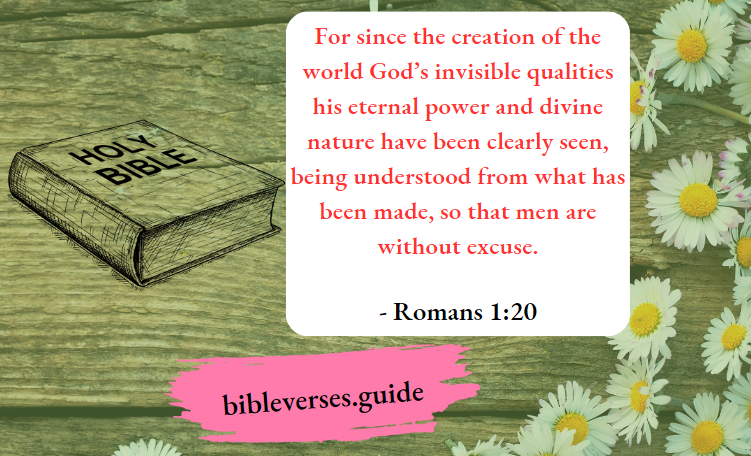
And as Paul indicated in the Romans passage, we can see characteristics of the Creator in all that he made.
No one saw this connection between Creator and creation more than a humble thirteenth-century saint named Francis of Assisi.
Francis saw God’s fingerprints all over the world, and he believed that even the animals were designed to praise the Creator in their own powerful way: “Every creature in heaven and on earth and in the depths of the sea should give God praise and glory and honor and blessing.”
The Italian holy man was named the patron saint of the environmental movement.
One day, Francis and some of his brothers were out walking when they came across a large tree full of doves, crows, and other birds.
As one of his biographers reported, “Francis left his companions in the road and ran eagerly to the birds” and “humbly begged them to listen to the word of God.”
The biographer even recorded a portion of Francis’s brief sermon to his winged friends: “My brothers, birds, you should praise your Creator very much and always love him; he gave you feathers to clothe you, wings so that you can fly, and whatever else was necessary for you.”
Today, the image of Francis caring for birds appears in paintings, sculptures, and thousands of backyard bird feeders.
And every fall, on the Sunday closest to Francis’s October 4 feast day, churches around the world host a “blessing of the animals” ceremony.
These churches turn into temporary zoos as members bring their birds, dogs, cats, and even horses to receive a blessing in the name of the saint who cared so deeply for creation.
In the centuries since Francis, poets and other writers have written about our spiritual connection to the world God made. “Nature has some perfections to show that she is the image of God,” said seventeenth-century French thinker Blaise Pascal.
And Elizabeth Fry an eighteenth-century English Quaker, wrote these words after attending a worship service: “After the meeting, my heart felt really light and as I walked home by starlight, I looked through nature up to nature’s God.”
Father, what a glorious world you have created. Help me to be more aware of your fingerprints throughout all of creation.