Bible Verses About Spiritual Warfare & Armor of God

Bible Verses About Spiritual Warfare & Armor of God

Spiritual battles are a part of everyday life for many believers. The Bible offers clear guidance on how to face these challenges head-on, equipping us with tools like prayer, faith, and the Armor of God. Whether you’re feeling overwhelmed or just want to strengthen your defense, exploring these truths can inspire confidence and hope.

Key Takeaways

  • Spiritual warfare is a constant struggle, but the Bible provides wisdom and tools to fight back.
  • The Armor of God, mentioned in Ephesians, is essential for protection and strength.
  • Persistent prayer is a powerful weapon in spiritual battles.
  • Victory is assured through Christ, who empowers believers to overcome challenges.
  • Recognizing the enemy’s tactics helps believers stay vigilant and guarded.

Understanding Spiritual Warfare in the Bible

What Is Spiritual Warfare?

Spiritual warfare refers to the unseen battle believers face against spiritual forces of evil. This isn’t about physical fights or confrontations—it’s a struggle against spiritual influences that try to pull us away from God. The Bible reminds us that our fight is not against flesh and blood but against rulers, authorities, and powers of this dark world (Ephesians 6:12).

Ephesians 6-12

Here’s what spiritual warfare often involves:

  • Resisting temptation: Staying strong in the face of sinful desires.
  • Battling doubt and fear: Trusting God even when life feels uncertain.
  • Standing firm in faith: Refusing to compromise biblical truths.

Spiritual warfare is part of the Christian journey. It’s not an occasional event but an ongoing reality.

The Role of Faith in Spiritual Battles

Faith is the foundation of victory in spiritual warfare. Without it, we’re vulnerable to attacks of doubt, fear, and discouragement. Faith acts as a shield, protecting us from the fiery darts of the enemy (Ephesians 6:16). But it’s more than just defense—it’s also about trusting God’s promises and believing He’s in control, even when the battle feels overwhelming.

Practical ways faith strengthens us:

  1. It keeps us grounded in God’s truth.
  2. It reminds us of His power and love.
  3. It gives us courage to face challenges head-on.

When faith takes root, fear loses its grip.

Key Scriptures on Spiritual Warfare

The Bible is packed with verses that equip us for spiritual battles. These scriptures are like a battle plan, showing us how to stand firm and rely on God’s strength.

Some key verses include:

  • Ephesians 6:10-18: The full armor of God.
  • 2 Corinthians 10:4-5: “The weapons we fight with are not the weapons of the world.”
  • James 4:7: “Resist the devil, and he will flee from you.”

Memorizing and meditating on these scriptures can help you stay strong in the fight. They’re not just words—they’re tools to remind you that God has already won the ultimate victory.

The Full Armor of God: A Biblical Breakdown

The Belt of Truth and Its Significance

The belt of truth is the foundation of the armor. In ancient times, belts secured the rest of a soldier’s gear, keeping everything in place. Similarly, truth holds our spiritual lives together. Without truth, everything else falls apart. It represents honesty, integrity, and the unwavering truth found in God’s Word. Start each day by grounding yourself in what is true—about God, about yourself, and about the world.

The Breastplate of Righteousness Explained

The breastplate protects the heart and vital organs, symbolizing how righteousness guards our spiritual core. This isn’t about being perfect but about living in alignment with God’s will. Righteousness shields us from guilt and shame while allowing us to stand firm against accusations. When we live uprightly, we reflect God’s character and resist the pull of sin.

The Shield of Faith: Protection Against Doubt

Faith acts as a shield, extinguishing the fiery arrows of doubt, fear, and temptation. Picture a soldier holding a large shield that covers their whole body. That’s what faith does—it blocks the lies and attacks of the enemy. Trusting God, even when life feels uncertain, strengthens this shield daily. Faith isn’t just belief; it’s action rooted in trust.

The Sword of the Spirit: Power of God’s Word

Unlike the other pieces, the sword is both defensive and offensive. It represents the Word of God, which is alive and active. When Jesus was tempted in the wilderness, He used Scripture to counter the devil’s schemes. We’re called to do the same. Memorizing and meditating on the Bible equips us to fight back when spiritual battles arise. The Word is our weapon—sharp, precise, and powerful.

The armor of God includes a belt, chest plate, shoes, shield, helmet, and sword, with each piece holding significant meaning.

How Prayer Strengthens Us in Spiritual Warfare

The Power of Persistent Prayer

Prayer isn’t just a ritual; it’s a lifeline. When you’re in the thick of spiritual warfare, staying consistent in prayer can make all the difference. Persistent prayer builds spiritual resilience and keeps your focus on God’s promises rather than the challenges. Think of it like building a muscle—the more you pray, the stronger your faith becomes.

Here are some practical ways to develop persistence in prayer:

  1. Set aside a dedicated time each day to pray, even if it’s just for a few minutes.
  2. Write down specific prayer requests and revisit them regularly.
  3. Use simple tools like prayer journals or apps to stay on track.

Examples of Prayer in Spiritual Battles

The Bible is full of stories where prayer turned the tide in spiritual conflicts. Take Daniel, for example. He prayed faithfully despite opposition, and God delivered him from the lions’ den. Or think about Jesus in the Garden of Gethsemane—He prayed for strength before facing the cross. These examples remind us that prayer isn’t just a response to trouble; it’s a proactive weapon.

Consider these takeaways from biblical prayers:

  • Prayers of faith can bring divine intervention (like Elijah calling fire from heaven).
  • Honest, heartfelt prayers strengthen your relationship with God.
  • Praying with others, like the early church did, can amplify its impact.

Praying with the Word of God

When you pray using Scripture, you’re aligning your words with God’s truth. This isn’t just comforting—it’s powerful. For example, declaring verses like Psalm 23:4 (“Even though I walk through the darkest valley, I will fear no evil”) can boost your confidence in God’s protection.

Here’s how you can incorporate Scripture into your prayers:

  • Memorize key verses that speak to your current struggles.
  • Turn a Bible passage into a personal prayer. For instance, pray Psalm 91 as a declaration of God’s protection.
  • Keep a list of go-to Scriptures for spiritual warfare, so you’re ready when challenges arise.

Prayer is your direct line to God, and when combined with His Word, it becomes an unshakable foundation in the face of spiritual battles. Don’t underestimate its power—it’s your greatest weapon.

Victory Through Christ in Spiritual Warfare

Overcoming Evil with Good

One of the most powerful ways to fight spiritual battles is by choosing to do good, even in the face of evil. When you respond to hatred with love, or to anger with kindness, you’re not just being nice—you’re actively pushing back against darkness. Goodness has a way of disarming evil and shifting the atmosphere. Romans 12:21 reminds us:

Romans 12-21

It’s simple in theory but requires strength and intentionality in practice.

Here are a few ways you can apply this principle:

  • Forgive someone who has wronged you, even when it’s hard.
  • Speak blessings over someone who speaks ill of you.
  • Choose honesty and integrity when tempted to cut corners.

The Assurance of Victory in Christ

As believers, we don’t fight for victory—we fight from victory. Jesus has already won the ultimate battle through His death and resurrection. Colossians 2:15 says,

Colossians 2-15

This means our struggles are not about achieving victory but standing firm in the victory already given to us.

Think of it this way: you’re playing a game where the outcome has already been decided in your favor. Does that mean the game will be easy? No. But it does mean you can play with confidence, knowing the final score is in your favor.

Living as More Than Conquerors

Romans 8:37 boldly declares, “In all these things we are more than conquerors through Him who loved us.” This isn’t about just scraping by or barely surviving spiritual battles. It’s about thriving, overcoming, and walking in the strength God provides. To live as more than a conqueror means:

  1. Trusting God even when circumstances look bleak.
  2. Refusing to let fear or doubt dictate your actions.
  3. Remembering that God’s love is your greatest weapon.

True victory isn’t about avoiding challenges but growing stronger through them. When you rely on Christ, you’re equipped to face anything with courage and peace.

By embracing these truths, you can approach spiritual warfare with a mindset of hope and confidence, knowing that the ultimate victory is already yours.

Recognizing the Enemy’s Tactics

Understanding Satan’s Strategies

The enemy often works in subtle ways, weaving deception into our everyday lives. His strategies revolve around lies, fear, and manipulation. He thrives on creating confusion and doubt, making us question God’s promises and our own worth. For example, he may plant thoughts of inadequacy or guilt, hoping to paralyze us spiritually. Recognizing these patterns is the first step to standing firm.

How to Discern Spiritual Attacks

Spiritual attacks don’t always appear dramatic; they can be as simple as a persistent feeling of discouragement or a sudden rift in a close relationship. Here are some ways to discern them:

  1. A pattern of negative thoughts that contradict God’s truth.
  2. Unexplained conflicts or disunity among believers.
  3. A sudden wave of temptation or spiritual apathy.

When you notice these signs, take a moment to pray and seek God’s guidance. Clarity often comes through prayer and scripture.

Guarding Your Heart and Mind

Guarding your heart and mind is essential in resisting the enemy. This means filling your thoughts with God’s Word and staying alert to his schemes. Here are some practical steps:

  • Meditate on scripture daily to strengthen your spiritual defenses.
  • Surround yourself with a supportive community of believers.
  • Practice gratitude to combat negativity and despair.

The enemy’s tactics are subtle, but God has equipped us with the tools to overcome. Stay vigilant, stay prayerful, and remember that victory is already yours through Christ.

Equipping Yourself with God’s Word

Memorizing Key Bible Verses

Memorizing scripture is like storing up spiritual ammunition. When life throws challenges your way, having God’s Word in your heart allows you to respond with truth and confidence. Start small—choose a verse that speaks to your current struggles or joys. Write it down, repeat it daily, and reflect on its meaning. In moments of doubt or fear, these verses serve as a reminder of God’s promises and power.

Here are a few tips to make memorization easier:

  1. Break the verse into smaller sections and focus on one part at a time.
  2. Use flashcards or sticky notes to keep the verse visible throughout your day.
  3. Practice reciting the verse during quiet moments, like while driving or waiting in line.

Meditating on Scripture for Strength

Meditation isn’t just about sitting quietly; it’s about soaking in the truth of God’s Word. Take a verse you’ve memorized and spend time thinking deeply about it. Ask yourself: What is God teaching me here? How does this apply to my life today? Meditating on scripture strengthens your faith and helps you stay grounded when life feels chaotic.

For example, reflect on Ephesians 6, which emphasizes the importance of the full armor of God. Think about each piece of armor and how it equips you for the struggles you face. Let the Word settle into your heart, giving you peace and clarity.

When you meditate on God’s Word, you allow it to shape your thoughts, actions, and attitudes. It’s like planting seeds of faith that grow stronger over time.

Using the Bible as a Weapon in Battle

The Bible isn’t just a book; it’s a weapon. When Jesus was tempted in the wilderness, He responded to every challenge with scripture. This shows us the power of God’s Word in spiritual warfare. Whether you’re battling doubt, fear, or temptation, the Bible equips you to stand firm.

To use the Bible effectively:

  • Identify verses that address specific struggles you’re facing.
  • Speak these verses out loud during prayer or moments of weakness.
  • Trust that God’s Word is living and active, capable of cutting through lies and bringing truth to light.

Remember, equipping yourself with scripture isn’t a one-time event—it’s a lifelong journey. The more you immerse yourself in God’s Word, the more prepared you’ll be to face whatever comes your way.

The Role of Community in Spiritual Warfare

Encouragement from Fellow Believers

When you’re in the middle of a spiritual battle, it can feel like you’re completely alone. But that’s far from the truth. The support of fellow believers can be a source of strength and encouragement. Whether it’s a small group, a Bible study, or even just a friend who shares your faith, having people to lean on is invaluable. They remind you that you’re not in this fight by yourself and can help you stay grounded in God’s promises.

Here are some ways believers can encourage each other:

  • Sharing personal testimonies of overcoming spiritual struggles.
  • Praying together for strength and guidance.
  • Offering practical advice rooted in Scripture.

Sometimes, just knowing someone is praying for you can make all the difference in the world.

The Power of Corporate Prayer

There’s something powerful about believers coming together to pray. It’s not just about the words spoken—it’s about the unity of hearts and minds focused on God. Corporate prayer can amplify your faith and create a sense of shared purpose. It’s like a spiritual rallying cry that helps everyone involved feel stronger and more connected to God.

Benefits of corporate prayer include:

  1. Unity: It brings people together, fostering a sense of shared mission.
  2. Increased faith: Hearing others pray can inspire and strengthen your own faith.
  3. Spiritual breakthroughs: Many believers have experienced answered prayers and victories during group prayer sessions.

Accountability in Spiritual Growth

Let’s be real—staying on track in your spiritual life is tough. Temptations, distractions, and doubts are always lurking. That’s where accountability comes in. Having someone to check in with, whether it’s a mentor, a friend, or even a pastor, can keep you focused on your walk with God. They can call you out when you’re slipping and cheer you on when you’re doing well.

Ways to build accountability:

  • Join a discipleship group or accountability partnership.
  • Regularly discuss your spiritual goals and challenges.
  • Be open to both giving and receiving constructive feedback.

Accountability isn’t about judgment; it’s about helping each other grow closer to God.

Wrapping It Up

At the end of the day, spiritual warfare is something we all face, whether we realize it or not. The Bible gives us the tools we need to stand strong—truth, faith, righteousness, and the Word of God. These aren’t just words on a page; they’re a lifeline for when life gets tough. So, don’t forget to put on your armor every day. It’s not about being perfect; it’s about being prepared. God’s got your back, and with His strength, you can face whatever comes your way. Stay grounded, stay faithful, and keep moving forward.

Frequently Asked Questions

What is spiritual warfare?

Spiritual warfare is the battle between good and evil forces in the spiritual realm. It involves resisting temptations, standing firm in faith, and relying on God’s strength to overcome challenges.

What does the Bible say about the armor of God?

The Bible, in Ephesians 6:11-17, describes the armor of God as spiritual tools like truth, righteousness, faith, salvation, and God’s Word, which equip believers to stand strong against evil.

How can prayer help in spiritual warfare?

Prayer strengthens your connection with God, provides guidance, and helps you resist spiritual attacks. Persistent prayer is a powerful tool in overcoming challenges.

What are some key Bible verses about spiritual warfare?

Verses like Ephesians 6:10-17, James 4:7, and 1 Peter 5:8-9 offer guidance on standing strong in faith and resisting the devil’s schemes.

How can I recognize spiritual attacks?

Spiritual attacks often come as doubts, fears, or temptations. Staying rooted in God’s Word and prayer can help you discern and overcome these challenges.

Why is community important in spiritual warfare?

Being part of a faith community provides encouragement, accountability, and the power of collective prayer, which strengthens your spiritual journey.
Bible Verses About Walking in Faith & Not Fear

Life can feel overwhelming sometimes, right? Fear creeps in, doubts take over, and suddenly, it feels like you’re carrying the weight of the world. But here’s the thing—faith can be your anchor. The Bible is packed with verses that remind us to lean on God when fear tries to take control. It’s not about pretending everything’s fine, but about trusting that God is bigger than whatever you’re facing. Let’s explore some powerful scriptures that can help you choose faith over fear and find strength in God’s promises.

  • Faith is a choice we make in the face of fear, trusting God’s strength over our doubts.
  • Scripture provides countless reminders that God is always with us, even in life’s toughest moments.
  • Turning to God’s Word can help calm anxious hearts and bring peace to troubled minds.
  • God’s promises are a source of hope and courage, reminding us that He fights our battles.
  • Prayer and trust in God can replace anxiety with a sense of peace and security.

Trusting God in Times of Fear

The Power of Deuteronomy 31:6

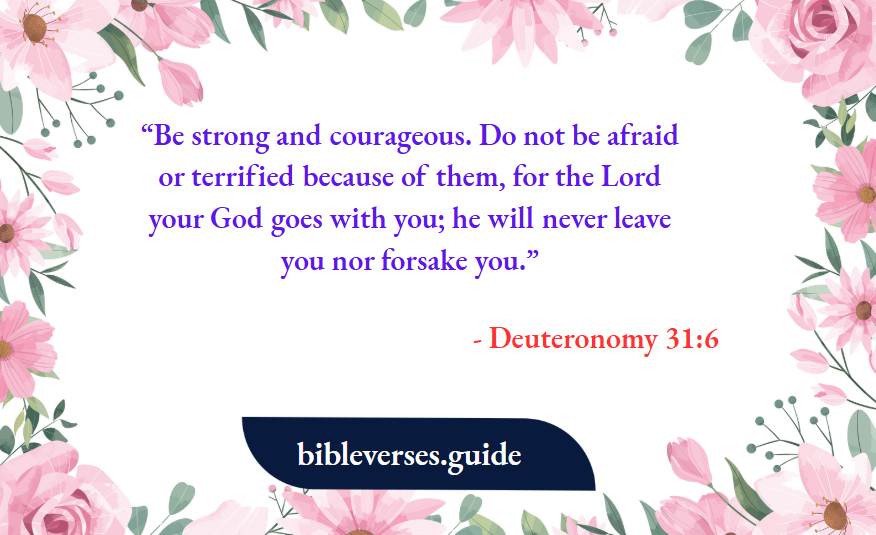
Fear can feel overwhelming, like a wave ready to knock us down. But Deuteronomy 31:6 reminds us of a core truth: God is always with us. The verse says,

Deuteronomy 31-6

This isn’t just a nice thought; it’s a promise. When fear creeps in, we can lean on this assurance that we are never alone. God’s presence is our anchor, steadying us when life feels shaky.

Lessons from Isaiah 12:2

Isaiah 12:2 offers a simple yet powerful declaration: “Surely God is my salvation; I will trust and not be afraid.” Think about that for a moment. Salvation isn’t just about eternal life—it’s about rescue in the here and now. When fear starts to whisper lies, this verse reminds us to shift our focus. God is our strength, our defender, and the one who saves us from drowning in worry. Trusting Him means we don’t have to carry the weight of fear alone.

Overcoming Fear with Psalm 56:3

“Whenever I am afraid, I will trust in You,” Psalm 56:3 says. It’s so straightforward, yet it’s something we often forget. Fear doesn’t mean we’re failing—it’s a natural response. The key isn’t to avoid fear altogether but to know where to turn when it hits. Instead of spiraling into anxiety, this verse invites us to turn to God. He’s not asking us to have it all figured out; He’s just asking us to trust Him in the middle of it all.

Fear loses its grip when we choose to trust God over our circumstances.

Finding Strength Through Scripture

Joshua 1:9: Courage in the Face of Challenges

“Have I not commanded you? Be strong and courageous. Do not be afraid; do not be discouraged, for the Lord your God will be with you wherever you go.” This verse speaks directly to those moments when fear creeps in, and challenges seem insurmountable. God’s constant presence becomes the anchor for courage. To live this out, remember these steps:

  1. Acknowledge your fears—don’t pretend they aren’t there.
  2. Speak God’s promises over your life, like this verse.
  3. Take small, brave steps forward, trusting that He’s guiding you.

Habakkuk 3:19: Strength in Suffering

“The Sovereign Lord is my strength; he makes my feet like the feet of a deer, he enables me to tread on the heights.” This verse is a reminder that even in suffering, God equips us with what we need to keep moving. Think of it this way: life’s hardships may try to throw you off balance, but God steadies you, like a deer adeptly navigating rocky terrain. Strength, in this sense, doesn’t always mean physical might—it’s the inner resilience God provides.

Psalm 18:32-33: God as Our Source of Strength

“It is God who arms me with strength and keeps my way secure. He makes my feet like the feet of a deer; he causes me to stand on the heights.” These words echo Habakkuk’s sentiment but add an emphasis on security. When you feel vulnerable or unsure, this verse reassures you that God’s strength is both protective and empowering. Here’s a quick breakdown of what this means practically:

  • God’s strength equips you to face daily battles.
  • He provides stability when life feels shaky.
  • His guidance leads you to higher, better places, even when the path is tough.

When life feels overwhelming, these verses remind us that our strength doesn’t have to come from within—it comes from God, who never falters.

Faith Over Fear: Biblical Insights

Psalm 34:4: Deliverance from Fear

The verse says, “I sought the Lord, and He heard me, and delivered me from all my fears.” This reminds us that God is ready to listen and help when we turn to Him. Faith is about seeking Him first, trusting that He hears our prayers. Too often, we try to handle fear on our own, forgetting that deliverance comes from God. Let this verse encourage you to bring your fears to Him, knowing He is faithful to respond.

John 16:33: Peace in Tribulation

Jesus tells us, “In this world, you will have trouble. But take heart! I have overcome the world.” Life is full of challenges, but this verse reassures us that we can have peace even in the midst of hardships. True peace isn’t found in avoiding difficulties but in trusting that Jesus has already secured victory over them. When fear creeps in, remember that His triumph gives us courage to face whatever comes our way.

Proverbs 3:5-6: Trusting Beyond Understanding

This well-loved passage encourages us to “trust in the Lord with all your heart and lean not on your own understanding.” It’s a call to surrender—letting go of the need to have everything figured out. Fear often stems from uncertainty, but when we trust God completely, He promises to guide us. Faith means choosing to believe in His plan, even when it doesn’t make sense.

Walking in Faith During Hard Times

Psalm 23:4: Fearless in the Valley

When life feels like a dark valley, Psalm 23:4 reminds us that we are not walking alone. “Even though I walk through the valley of the shadow of death, I will fear no evil, for you are with me; your rod and your staff, they comfort me.” This verse paints a picture of God as both protector and guide. Even in our darkest moments, His presence is a source of courage and peace.

How can we apply this? Start by acknowledging the fear but choosing to trust God’s guidance through it. Think of it like a child holding their parent’s hand in a storm—comfort comes from knowing they’re not alone.

2 Corinthians 12:9: Grace in Weakness

Paul’s words in 2 Corinthians 12:9 shine a light on the beauty of weakness: “My grace is sufficient for you, for my power is made perfect in weakness.” It’s a humbling reminder that we don’t need to have it all together. In fact, acknowledging our limitations allows God’s strength to shine through.

Here’s a simple way to embrace this truth:

  • Admit where you’re struggling.
  • Pray for God’s grace to fill those gaps.
  • Rest in knowing that His power is enough.

When we stop striving and start leaning, we might just find that His grace carries us in ways we never imagined.

Nehemiah 8:10: Joy as Strength

Nehemiah 8:10 gives us a surprising tool for hard times: joy. It says,

Nehemiah 8-10

This isn’t about ignoring pain or pretending everything’s fine. It’s about finding a deeper joy that comes from knowing God is in control.

Here are three ways to cultivate that joy:

  1. Reflect on God’s past faithfulness in your life.
  2. Spend time in worship, even if you don’t feel like it.
  3. Surround yourself with people who point you back to Him.

Joy doesn’t erase the hard stuff, but it gives us the strength to face it head-on. It’s like fuel for the soul, keeping us moving forward when we want to give up.

God’s Promises for the Fearful Heart

Deuteronomy 3:22: God Fights for You

This verse reminds us that we’re not alone in life’s battles. “You must not fear them, for the Lord your God Himself fights for you.” It’s a clear call to trust that God is actively working on our behalf. Think about that for a moment—God, the Creator of everything, is stepping in to fight for you. When fear creeps in, let this promise push it back. It’s not about surrendering to fear but about surrendering control to God, who’s already in control.

1 Peter 5:7: Casting Anxieties on Him

“Cast all your anxiety on Him because He cares for you.” This verse is like a lifeline when you’re drowning in worry. God doesn’t ask us to carry the heavy load of anxiety on our own. Instead, He invites us to hand it over. It’s not just a nice idea—it’s a command. And why? Because He cares. Not in a distant, vague way but in a personal, intimate way. Next time you feel overwhelmed, picture yourself physically giving your worries to God. It’s freeing.

2 Thessalonians 3:16: Peace in Every Way

“Now may the Lord of peace Himself give you peace at all times and in every way.” This is more than just a wish; it’s a promise. God’s peace isn’t limited to Sunday mornings or quiet moments. It’s available “at all times”—in chaos, in stillness, in joy, and in sorrow. And it’s not just any peace; it’s His peace. When life feels like it’s spiraling, hold onto this truth: God’s peace is bigger than any storm you face.

Fear is sneaky and persistent, but God’s promises are stronger. Let these verses be your shield when fear tries to take over. They’re not just words; they’re lifelines straight from God’s heart to yours.

Overcoming Anxiety with Faith

1 Peter 1:6-7: Rejoicing Amid Trials

When life feels like it’s throwing everything at you, it’s easy to crumble under the weight of anxiety. But 1 Peter 1:6-7 reminds us to rejoice, even when trials come our way. Why? Because these challenges refine our faith like gold in fire. Faith isn’t about avoiding struggles; it’s about finding joy and purpose in them. When we trust that God is shaping us through hardships, it becomes easier to let go of the fear that tries to consume us.

  • Trials are temporary but faith is eternal.
  • God uses difficulties to strengthen our relationship with Him.
  • Rejoicing doesn’t mean ignoring pain, but trusting in God’s bigger plan.

Psalm 73:26: God as Our Portion

In moments of weakness, when our hearts and bodies feel like they’re failing, Psalm 73:26 offers a powerful truth: God is our strength and our portion forever. This verse is a reminder that even when we are at our lowest, God is enough. Anxiety often stems from feeling like we don’t have what we need, but this scripture shifts the focus. Instead of looking at what we lack, it points us to the abundance we have in God.

Psalm 73-26

When everything else feels unstable, God remains the one unshakable foundation we can cling to.

Philippians 4:6-7: Prayer and Peace

Philippians 4:6-7 is like a roadmap for tackling anxiety. It tells us to replace worry with prayer, to approach God with thanksgiving, and to trust Him with our requests. The result? A peace that doesn’t make sense to the world but guards our hearts and minds. Anxiety loses its grip when we actively choose to bring our fears to God.

Steps to apply this verse:

  1. Identify your anxiety—what’s keeping you up at night?
  2. Turn it into a prayer—be honest with God about your fears.
  3. Practice gratitude—thank Him for what He’s already done.
  4. Trust Him with the outcome—release control and rest in His peace.

This peace isn’t about ignoring problems; it’s about knowing that God walks with you through them.

Wrapping It Up: Faith Over Fear

Walking in faith instead of fear isn’t always easy, but it’s worth it. Life throws challenges at us, and sometimes it feels like fear is the only option. But the Bible reminds us over and over that God is with us, fighting our battles and giving us strength. When we lean on His promises and trust in His plan, we can face anything that comes our way. So, the next time fear creeps in, remember the verses we’ve shared here. Let them be a reminder that you’re never alone and that faith is stronger than fear. Keep turning to God’s Word—it’s a source of hope and courage that never runs dry.

Frequently Asked Questions

What does it mean to walk in faith and not fear?

Walking in faith means trusting God completely, even when life feels uncertain or scary. It’s about believing in His promises and relying on His strength instead of letting fear control your decisions.

How can Bible verses help me overcome fear?

Bible verses remind us of God’s love, protection, and power. They encourage us to trust Him and find peace, even in tough times. Reflecting on these scriptures can calm our hearts and give us courage.

What is a good Bible verse for strength during hard times?

Joshua 1:9 is a powerful verse: ‘Be strong and courageous. Do not be afraid; do not be discouraged, for the Lord your God will be with you wherever you go.’ It reminds us that God is always with us.

How can I use scripture to fight anxiety?

You can meditate on verses like Philippians 4:6-7, which encourages prayer and trusting God for peace. Writing them down, memorizing, or repeating them during anxious moments can help shift your focus to God.

What does Deuteronomy 31:6 teach about fear?

Deuteronomy 31:6 says, ‘Be strong and courageous. Do not be afraid or terrified because of them, for the Lord your God goes with you; He will never leave you nor forsake you.’ It teaches us to rely on God’s presence and promises when we feel afraid.

How can I build my faith during challenging times?

Building faith involves reading scripture, praying, and trusting God’s plan even when life feels hard. Surrounding yourself with supportive people and remembering past instances of God’s faithfulness can also strengthen your faith.

Bible Verses About Living a Life That Pleases God

Trying to live a life that pleases God can feel overwhelming at times, but the Bible provides clear guidance to help us along the way. Through faith, obedience, and gratitude, we can align our lives with God’s will and discover the joy that comes from walking in His path. This article will explore key Bible verses and practical insights to help you live a life that honors God.

  • Faith is essential in pleasing God; it’s the foundation of our relationship with Him.
  • Obedience to God’s commands brings joy and reflects our love for Him.
  • Knowing and meditating on Scripture helps guide our daily decisions and actions.
  • Righteous living involves aligning our choices with God’s standards and examples in the Bible.
  • Gratitude and trust in God, even during challenges, strengthen our connection with Him.

Walking in Faith to Please God

The Role of Faith in Pleasing God

Faith is the foundation of a life that pleases God. Without it, it’s impossible to truly connect with Him. Faith isn’t just believing God exists—it’s trusting that He rewards those who seek Him earnestly. This trust is what moves us to act in ways that align with His will. Think of it like a relationship; trust deepens the bond and opens the door to greater understanding and love. Hebrews 11:6 sums it up perfectly:


Hebrews 11-6

Faith is what turns belief into action, and action into a life that honors God.

Examples of Faithful Living in the Bible

The Bible is full of stories that show what faith looks like in action. Take Abel, for instance, who offered a sacrifice to God that was accepted because it came from a place of genuine faith. Or consider Enoch, who walked so closely with God that he didn’t even experience death—God took him directly to heaven. These examples, found in Hebrews 11, remind us that faith isn’t passive; it’s alive and active. Even in modern times, we can draw inspiration from these stories to live out our faith in practical ways.

Bible Verses That Highlight Faith and Obedience

Here are some key verses that connect faith with obedience:

  • Hebrews 11:6: “Without faith it is impossible to please Him.”
  • 2 Corinthians 5:7: “For we walk by faith, not by sight.”
  • Romans 12:1-2: “Present your bodies a living sacrifice, holy, acceptable to God.”

Each verse points to the idea that faith isn’t just about belief—it’s about action. When we live by faith, we naturally obey God’s commands, not out of obligation, but because our trust in Him compels us to follow His ways. Faith and obedience go hand in hand, creating a life that pleases God and brings us closer to His heart.

A life of faith doesn’t mean a life without challenges. It means trusting God through the ups and downs, knowing that He is faithful to guide and reward those who seek Him.

Obedience as a Path to Joy

How Obedience Reflects Our Love for God

Obedience isn’t just about following rules; it’s a heartfelt response to God’s love. When we obey, we show God that His will matters more than our own desires. Think about it like this: if you truly love someone, you naturally want to do what pleases them. The Bible makes it clear in John 14:15: “If you love me, you will keep my commandments.” This verse reminds us that our obedience stems from a place of love and gratitude, not fear or obligation.

  • Obedience demonstrates trust in God’s plan.
  • It reflects gratitude for Jesus’ sacrifice.
  • It strengthens our relationship with Him.

Scriptures on the Joy of Following God’s Commands

The Bible is packed with verses that connect obedience to joy. Take Isaiah 1:19, for example: “If you are willing and obedient, you shall eat the good of the land.” Here, God promises blessings for those who obey. Another powerful verse is 1 John 5:3: “For this is the love of God, that we keep his commandments. And his commandments are not burdensome.” These scriptures remind us that obedience isn’t a chore—it’s a pathway to experiencing God’s goodness.

Consider these benefits of obedience:

  1. A deeper sense of peace and fulfillment.
  2. The joy of knowing you’re walking in God’s will.
  3. Tangible blessings, both spiritual and physical.

When we align our lives with God’s commands, we find a joy that the world can’t offer. It’s a joy rooted in knowing we’re living as He intended.

Practical Ways to Live in Obedience

Living obediently doesn’t have to feel overwhelming. Start small, and let it grow into a daily habit. Here are a few practical steps:

  1. Know God’s Word: You can’t obey what you don’t understand. Spend time reading and meditating on scripture.
  2. Pray for Guidance: Ask God to reveal areas in your life where you need to align with His will.
  3. Act in Faith: Even when it’s hard, trust that God’s way is better. Step out in obedience, even if you don’t see the full picture.

Obedience becomes easier when you remember it’s not about perfection—it’s about progress. God delights in our efforts to follow Him, no matter how small they may seem. And as we obey, we experience a joy that can only come from walking closely with Him.

The Power of God’s Word in Guiding Our Lives

Why Knowing Scripture is Essential for Pleasing God

The Bible isn’t just a book; it’s our guide for life. When we dive into Scripture, it becomes clear that God’s Word is a roadmap for making decisions that honor Him. God’s instructions are timeless, offering wisdom for every situation we face. Think about it—how can we aim to please God if we don’t know what He desires? By studying the Bible, we align our hearts and minds with His will.

Here are three reasons why knowing Scripture matters:

  • It helps us distinguish right from wrong.
  • It strengthens our faith during tough times.
  • It reveals God’s promises, giving us hope.

Key Bible Verses About Living According to God’s Word

The Bible is packed with verses that show us how to live in a way that pleases God. Here are a few to reflect on:

VerseMessage
Psalm 119:105“Your word is a lamp to my feet and a light to my path.”
2 Timothy 3:16-17“All Scripture is breathed out by God and profitable for teaching, for reproof, for correction, and for training in righteousness.”
James 1:22“But be doers of the word, and not hearers only, deceiving yourselves.”


These verses remind us that God’s Word isn’t just meant to be read—it’s meant to be lived out.

Meditating on Scripture to Align with God’s Will

Meditating on the Bible doesn’t mean sitting cross-legged and chanting. It’s about slowing down and letting God’s Word sink into your heart. When we take time to reflect, we allow Scripture to shape our thoughts and actions. Here’s how you can start:

  1. Pick a verse or passage that speaks to you.
  2. Read it slowly, several times.
  3. Think about what it reveals about God and how it applies to your life.

Spending time with God’s Word daily may feel like a small act, but it has a huge impact on how you live. It’s like planting seeds that grow into a life that pleases Him.

By knowing, living, and meditating on Scripture, we stay connected to God’s purpose for us. The Bible isn’t just a tool—it’s the foundation for a life that glorifies Him.

Living a Life of Righteousness

What It Means to Live Righteously

Living righteously isn’t about perfection. It’s about striving to align our actions, thoughts, and decisions with God’s will. A righteous life reflects values like honesty, compassion, and humility. It’s about letting God’s truth guide us, even when it’s hard. Think of righteousness as a daily commitment to live in a way that honors God and serves others. Scripture reminds us that righteousness isn’t just about outward actions but also the condition of our hearts.

Biblical Examples of Righteous Living

The Bible is packed with examples of people who sought to live righteously. Here are a few standouts:

  • Noah: He was described as righteous in his generation (Genesis 6:9). Despite the corruption around him, Noah obeyed God and built the ark.
  • Daniel: Known for his unwavering faith, Daniel continued to pray and honor God even when it put his life at risk (Daniel 6:10).
  • Ruth: Her loyalty and kindness toward Naomi showed a heart devoted to doing what was right, even in tough circumstances (Ruth 1:16-17).

These individuals weren’t perfect, but they demonstrated how righteousness involves trusting God and doing what’s right, even when it’s unpopular.

Verses That Encourage a Righteous Lifestyle

The Bible offers plenty of wisdom about living righteously. Here are a few verses to reflect on:

ScriptureMessage
Amos 5:24“Let justice roll on like a river, righteousness like a never-failing stream.”
Titus 2:12“It teaches us to say ‘No’ to ungodliness and worldly passions, and to live self-controlled, upright and godly lives in this present age.”
James 2:23“Abraham believed God, and it was credited to him as righteousness.”


These verses remind us that righteousness is both an inward transformation and an outward expression of faith.

Righteous living isn’t about being perfect but about pursuing God wholeheartedly. It’s a journey, not a destination.

Living righteously might feel challenging in today’s world, but with God’s help, it’s possible. Start small—choose kindness over anger, honesty over deceit, and faith over fear. By doing so, you’ll reflect God’s light in a world that desperately needs it.

The Role of Gratitude in Pleasing God

How Gratitude Honors God

Gratitude is more than saying a quick “thank you”—it’s a heartfelt acknowledgment of God’s goodness in our lives. When we express thankfulness, we recognize His sovereignty and provision. It’s a way of worshiping God, showing that we trust Him and value His blessings. Even in tough times, gratitude shifts our focus from what’s lacking to what God has already done. This act of faith brings glory to Him and deepens our relationship.

Bible Verses About Thankfulness and Worship

The Bible is filled with verses that emphasize the power of gratitude. Here are a few to reflect on:

  • “Rejoice always, pray without ceasing, give thanks in all circumstances; for this is the will of God in Christ Jesus for you.” (1 Thessalonians 5:16-18)
  • “Enter His gates with thanksgiving, and His courts with praise! Give thanks to Him; bless His name!” (Psalm 100:4)


Philippians 4-6

These scriptures remind us that gratitude isn’t situational. It’s a constant posture of the heart, aligning us with God’s will.

Incorporating Gratitude into Daily Life

Making gratitude a daily habit doesn’t have to be complicated. Here are some practical ways to live it out:

  1. Start your day by listing three things you’re thankful for, no matter how small.
  2. Keep a gratitude journal to document moments where you see God’s hand at work.
  3. Use prayer as a time to thank God specifically for His blessings, rather than focusing solely on requests.

Gratitude transforms the mundane into something meaningful. By pausing to thank God, we invite His presence into every corner of our lives.

Living a life of gratitude pleases God because it reflects a heart that trusts Him fully. It’s not about ignoring challenges but choosing to see His goodness through them. Let gratitude be your daily offering to the One who provides all things.

Trusting God in All Circumstances

The Connection Between Trust and Obedience

Trusting God and being obedient to Him often go hand in hand. When we trust His plan, we’re more likely to follow His guidance, even when it doesn’t make sense to us. Faith is the foundation of obedience, and it’s through trusting God that we find the courage to take steps of faith. Think about Abraham, who trusted God enough to leave everything familiar behind and follow Him to an unknown land. That trust led to incredible blessings. Similarly, when we trust God, we’re opening ourselves up to His will and His best for our lives.

Scriptures That Encourage Trust in God’s Plan

The Bible is full of verses that remind us to trust God, no matter what. Here are a few that stand out:

  • Proverbs 3:5-6: “Trust in the Lord with all your heart, and do not lean on your own understanding. In all your ways acknowledge Him, and He will make straight your paths.”
  • Isaiah 41:10: “Fear not, for I am with you; be not dismayed, for I am your God; I will strengthen you, I will help you, I will uphold you with my righteous right hand.”


Psalm 56-3

These verses remind us that God is always in control, even when life feels chaotic. Acknowledging God in all aspects of life is key to experiencing His direction and peace.

Overcoming Challenges Through Faith and Trust

It’s not always easy to trust God, especially when we’re facing tough situations. But those are the moments when trust matters most. Here are some practical ways to build trust in God during challenges:

  1. Pray consistently: Talk to God about your fears and uncertainties. Prayer helps align your heart with His.
  2. Reflect on His past faithfulness: Remember times when God has come through for you or others in the past.
  3. Immerse yourself in Scripture: The more you know God’s promises, the easier it is to trust Him.

Even when the road ahead seems unclear, trusting God allows us to walk forward with peace. It’s not about having all the answers but about believing that He does.

Trusting God isn’t a one-time decision; it’s a daily choice. As we grow in trust, we’ll find that our faith becomes stronger, and our relationship with Him deepens.

Conclusion

Living a life that pleases God isn’t about being perfect or checking off a list of rules. It’s about building a relationship with Him, trusting His guidance, and letting His Word shape your choices. When we aim to honor God in our daily lives, we find a deeper sense of peace and joy that the world can’t offer. Obedience might not always be easy, but it’s worth it. It’s a way of showing our love for Him and experiencing the fullness of His love for us. So, take it one step at a time, lean on His strength, and remember—He’s with you every step of the way.

Frequently Asked Questions

What does it mean to live a life that pleases God?

Living a life that pleases God means following His teachings, trusting in Him, and striving to align your actions and thoughts with His will as described in the Bible.

Why is obedience important in the Christian life?

Obedience shows our love and trust in God. It demonstrates that we value His guidance and want to live according to His commandments.

How can faith help us please God?

Faith is essential because it shows our trust in God’s promises and plans. The Bible says, ‘Without faith, it is impossible to please God.’

What role does gratitude play in pleasing God?

Gratitude honors God by recognizing His blessings in our lives. It shifts our focus from complaints to thankfulness, deepening our relationship with Him.

How can I trust God during tough times?

Trusting God in hard times means believing He has a plan, even when things seem uncertain. Prayer, reading Scripture, and remembering His past faithfulness can help you stay strong.

What are practical ways to live in obedience to God?

Practical ways include studying the Bible, praying regularly, showing kindness, forgiving others, and making choices that reflect God’s teachings.

Bible Verses About Living a Godly Life

Bible Verses About Living a Godly Life

Ever feel like life’s just a blur of chaos? Between work, family, and everything else, it’s easy to lose sight of what really matters. But the Bible’s full of wisdom to help us refocus and live a life that honors God. Whether you’re looking for peace, purpose, or strength, scripture has something to say. Let’s break it down and see how Bible verses about living a godly life can inspire us daily.

  • Living a godly life starts with understanding God’s purpose for you, found in scripture.
  • Faith and obedience go hand in hand when it comes to walking with God.
  • A heart full of love and compassion reflects Christ’s teachings.
  • Regularly reading and meditating on God’s Word transforms your mind and spirit.
  • Living with integrity and righteousness sets you apart as a light in the world.

Embracing God’s Purpose for Your Life

Understanding God’s Plan Through Scripture

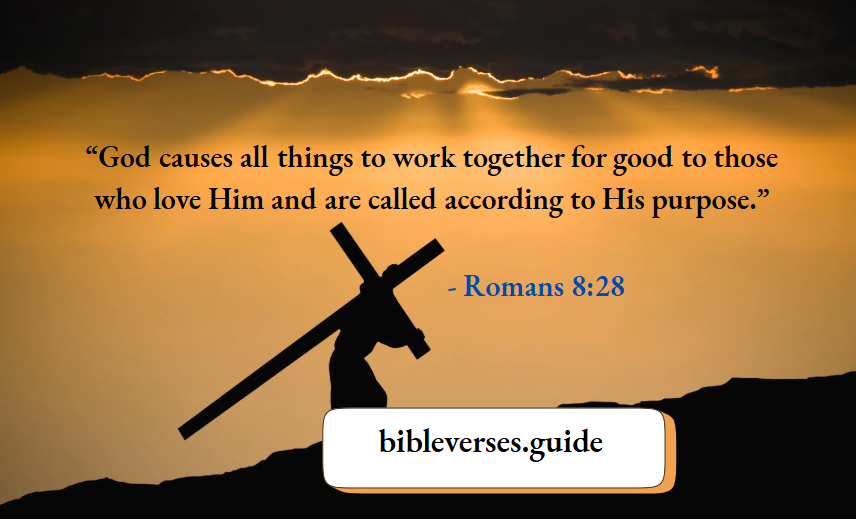
Life can feel chaotic at times, but God’s plan is never random. He has a purpose for each of us, woven into the fabric of His Word. Romans 8:28 reminds us that


Romans 8-28

This verse isn’t just a feel-good statement. It’s a promise that even in life’s messiest moments, God is working behind the scenes for something greater. Take time daily to read and reflect on scripture like Jeremiah 29:11, which reassures us of God’s plans to give us hope and a future.

Here’s how to better understand His plan:

  1. Spend time in prayer, asking God to reveal His purpose.
  2. Study passages that speak about His intentions for us.
  3. Journal your thoughts and look for patterns in how He’s been guiding you.

Living with Eternal Perspective

It’s so easy to get caught up in the here and now, isn’t it? But the Bible encourages us to live with eternity in mind. Colossians 3:2 says, “Set your minds on things above, not on earthly things.” When we shift our focus to what really matters—our relationship with God and our eternal home—it changes how we live today. Suddenly, the small frustrations lose their power over us, and we can prioritize what truly counts.

Consider these steps to cultivate an eternal perspective:

  • Reflect on how your actions today impact eternity.
  • Practice gratitude for spiritual blessings, not just material ones.
  • Share your faith with others, knowing it has eternal significance.

Trusting God in Every Season

Life is full of seasons—some joyful, others painful. Ecclesiastes 3:1 reminds us, “There is a time for everything, and a season for every activity under the heavens.” Trusting God doesn’t mean understanding everything He’s doing. It means believing He’s with you, even when the road feels uncertain. Whether you’re in a season of waiting, growth, or loss, God’s purpose remains steady.

Here’s how you can lean into trust:

  • Remember past moments when God showed His faithfulness.
  • Pray for peace and patience during uncertain times.
  • Surround yourself with a community of believers who can encourage you.

God’s purpose for your life isn’t something you have to chase—it’s something you live out daily by seeking Him and trusting His timing.

Walking in Faith and Obedience

The Role of Faith in a Godly Life

Faith is at the center of living a life that honors God. Hebrews 11:1 describes faith as the “confidence in what we hope for and assurance about what we do not see.” This isn’t blind optimism—it’s a grounded trust in God’s promises. Faith gives us the courage to step forward even when the path ahead seems unclear. Think about moments when you leaned on faith during tough times. How did God come through for you? Faith creates a foundation that helps us stand firm when life feels shaky.

Here’s how you can grow your faith:

  1. Spend time in prayer, asking God to deepen your trust in Him.
  2. Meditate on scriptures that remind you of His faithfulness, like Psalm 34:5.
  3. Surround yourself with people who encourage and strengthen your walk with God.

Obedience as an Act of Worship

Obedience isn’t about following rules for the sake of it—it’s about showing love and reverence for God. Deuteronomy 26:17 reminds us to commit to God’s ways, keeping His commands and laws. When we choose obedience, we’re saying, “God, I trust that Your way is better than mine.”

Here are some practical ways to live out obedience:

  • Take time to discern areas in your life where you’re struggling to follow God’s will.
  • Reflect on how you can align your actions with His Word.
  • Remember that small, daily acts of obedience build a life of worship.

“Obedience is not a burden when we trust God’s wisdom and love for us.”

Overcoming Challenges with God’s Strength

Life isn’t easy, and challenges will come. But God doesn’t leave us to face them alone. Philippians 4:13 reminds us that we can do all things through Christ who strengthens us. When you feel weak, lean into His power. God’s strength is made perfect in our weakness, giving us the ability to press on.

To overcome challenges with God’s help:

  • Start by surrendering your fears and struggles to Him in prayer.
  • Memorize scripture that reminds you of His strength, like Isaiah 41:10.
  • Focus on past victories where God brought you through—let those moments fuel your faith for what’s ahead.

Walking in faith and obedience isn’t about perfection; it’s about persistence. Trust God, follow His lead, and let Him guide you through every step of the journey.

Cultivating a Heart of Love and Compassion

Loving Others as Christ Loved Us

Love is the cornerstone of a godly life. Jesus set the ultimate example by loving unconditionally, even to the point of sacrificing Himself for our sins. When we love others as Christ loved us, we reflect God’s nature to the world. This kind of love goes beyond feelings—it’s about action. Whether it’s lending a hand to someone in need or simply being patient with a difficult coworker, small acts of love can have a big impact.

Think about practical ways you can demonstrate love today:

  • Offer a kind word or encouragement to someone who seems down.
  • Help a neighbor or friend with a task they’re struggling with.
  • Pray for someone you know who is going through a tough time.

The Power of Forgiveness in Relationships

Forgiveness isn’t easy, but it’s essential for healthy relationships. Holding onto anger or resentment only weighs us down. Jesus said to forgive not just once, but “seventy-seven times” (Matthew 18:22). This doesn’t mean ignoring hurt—it means choosing to release it and trust God with the outcome.

Ask yourself: Who do you need to forgive today? Maybe it’s a family member, a friend, or even yourself. Write down your feelings if it helps, and pray for the strength to let go. Forgiveness doesn’t just free the other person; it frees you, too.

Serving Others with a Humble Spirit

Serving others is one of the most tangible ways to live out love and compassion. Humility is key here—it’s about valuing others above yourself, as Philippians 2:3-4 reminds us. Whether it’s volunteering at a shelter or simply listening when someone needs to talk, serving with a humble heart reflects Christ’s love.

Here’s how you can serve others this week:

  1. Volunteer your time at a local charity or church.
  2. Offer to help a friend or coworker without expecting anything in return.
  3. Look for small, everyday opportunities—like holding the door for someone or letting someone go ahead of you in line.

Remember: Love and compassion are not just feelings; they are choices we make every day. By loving, forgiving, and serving others, we reflect God’s heart to the world.

Renewing Your Mind Through God’s Word

The Transformative Power of Scripture

The Bible is more than just a book; it’s a guide for life. Romans 12:2 reminds us not to conform to the world but to let God transform our thinking. This renewal is how we discern His will—good, pleasing, and perfect. It’s like rebooting your mind to align with spiritual truths instead of worldly distractions.

Meditating on God’s Promises Daily

Making time to reflect on God’s promises can change your whole perspective. Here’s a simple way to start:

  1. Pick a verse in the morning, like “The Lord is my strength and my defense” (Exodus 15:2).
  2. Repeat it to yourself throughout the day.
  3. Let it shape your thoughts and decisions.

Consistency is key. Over time, these truths will become part of how you think.

Guarding Your Thoughts Against Negativity

We all have thousands of thoughts every day, and many of them lean negative. The good news? You can take control. Philippians 4:8 says to focus on what is true, noble, right, pure, and lovely. Try this:

  • When a negative thought comes, replace it with a scripture, like “God is love” (1 John 4:8).
  • Keep a list of uplifting verses handy.
  • Pray for strength to resist negativity.

Renewing your mind isn’t a one-time event. It’s a daily commitment to let God’s Word shape who you are and how you see the world.

Living a Life of Integrity and Righteousness

The Importance of Honesty in a Godly Life

Honesty is the foundation of a life that honors God. When we choose honesty, even when it’s hard, we reflect God’s truthfulness in our daily lives. Proverbs 11:3 reminds us,


Proverbs 11-3

Living with integrity means aligning your words and actions with God’s principles, even when no one is watching. Here are a few practical ways to prioritize honesty:

  • Speak truthfully, even in small matters.
  • Avoid exaggeration or half-truths.
  • Own up to mistakes and seek forgiveness when needed.

Pursuing Righteousness in Everyday Actions

Righteousness isn’t just about avoiding sin; it’s about actively doing what is right. Proverbs 21:21 says, “Whoever pursues righteousness and love finds life, prosperity, and honor.” This pursuit requires daily effort and intention. To live righteously:

  1. Treat others with kindness and fairness.
  2. Make decisions based on what pleases God, not just what feels good.
  3. Spend time in prayer, asking God to guide your choices.

Being a Light in a Dark World

In a world filled with negativity and darkness, Christians are called to be a light. This means living in a way that draws others closer to God. Matthew 5:16 encourages us: “Let your light shine before others, that they may see your good deeds and glorify your Father in heaven.” To be a light:

  • Show love and compassion to those around you.
  • Stand firm in your faith, even when it’s unpopular.
  • Share the hope of Christ through your actions and words.

Living with integrity and righteousness isn’t about perfection—it’s about striving to honor God in all that you do. Each choice, no matter how small, is an opportunity to glorify Him.

Finding Strength and Peace in God’s Presence

Relying on God During Difficult Times

Life can be tough. There are days when it feels like every step forward comes with two steps back. But God’s strength is constant, even when ours isn’t. Turning to Him during hard times isn’t about ignoring the pain but about leaning into His promises. Psalm 34:5 reminds us that those who look to Him are radiant; their faces are never covered with shame. When you feel overwhelmed, take a moment to pray. Tell God what’s on your heart, and trust that He listens.


Psalm 34-5

The Peace That Surpasses Understanding

Peace isn’t just the absence of chaos; it’s something much deeper. Philippians 4:6-7 talks about a peace that doesn’t make sense to the world—a peace that guards our hearts and minds. This kind of peace comes when we bring everything to God in prayer. Try this: the next time you’re anxious, pause and thank God for what He’s already done in your life. Gratitude has a way of shifting our focus from worries to His faithfulness.

Strengthening Your Faith Through Prayer

Prayer isn’t just a one-way street where we throw requests at God. It’s a conversation. Imagine you’re sitting in a car with your best friend—sometimes you talk, sometimes you sit in comfortable silence. That’s what prayer can feel like. Make it a habit to talk to God throughout your day, not just during the big moments. Over time, you’ll notice a shift. Your faith will grow stronger, and you’ll find it easier to trust Him with the small and big stuff alike.

Strength and peace don’t come from chasing them—they come from seeking God. When we focus on Him, He fills us with what we need to face life’s challenges.

Sharing the Gospel Through Your Actions

Being a Witness in Your Community

Spreading the gospel doesn’t always mean standing on a stage or preaching to a crowd. Sometimes, it’s as simple as living authentically in your day-to-day life. When your actions align with your faith, people notice. Your kindness, integrity, and love can speak louder than words. For example, something as small as lending a hand to a neighbor or showing patience during a stressful situation can reflect Christ’s love to those around you.

Here are a few practical ways to be a witness:

  1. Offer genuine encouragement to someone who’s struggling.
  2. Volunteer your time to a local charity or community project.
  3. Be consistent—let your words and actions match your faith.

Reflecting Christ in Your Daily Life

Living a Christ-centered life means letting His light shine through you, even in the mundane. Whether you’re at work, school, or running errands, your attitude and behavior can make a difference. Are you treating others with respect? Are you honest, even when no one’s watching? These small, everyday choices add up.

A good reminder is found in Mark 16:15, which calls believers to share the gospel with all creation. This doesn’t always mean quoting scripture; sometimes, it’s about embodying the message of hope and grace through your actions.

“People may forget what you say, but they’ll remember how you made them feel.” Let your life be a reflection of God’s love and truth.

Encouraging Others to Seek God

Encouragement is powerful. When you share your testimony or simply listen to someone’s struggles, you create an opportunity to point them toward God. It’s not about having all the answers—it’s about being present and showing compassion. Sometimes, a simple, “I’ll pray for you,” can open the door for deeper conversations about faith.

Ways to encourage others:

  • Share a personal story of how God has worked in your life.
  • Invite someone to church or a small group.
  • Pray with someone in the moment if they’re open to it.

Remember, the goal isn’t perfection—it’s about being real and letting God work through you. Small acts of faithfulness can have a big impact in drawing others closer to Him.

Conclusion

Living a godly life isn’t about being perfect or having it all figured out. It’s about taking small, intentional steps every day to align your heart and actions with God’s word. The Bible is full of wisdom and encouragement to guide you through life’s ups and downs. Whether you’re facing challenges or celebrating victories, these verses remind us that God’s love and guidance are always available. So, take a moment each day to reflect, pray, and let His word inspire you to live with purpose and faith. You’ve got this, and God’s got you.

Frequently Asked Questions

What does it mean to live a godly life?

Living a godly life means aligning your actions, thoughts, and values with God’s teachings. It involves following biblical principles, showing love and compassion, and striving to live with integrity.

How can I trust God during tough times?

Trusting God during challenges means remembering His promises, praying for strength, and believing that He has a purpose for every season in your life. Reading scripture can also provide comfort and guidance.

Why is forgiveness important in a godly life?

Forgiveness is essential because it reflects God’s love and grace. When we forgive, we let go of bitterness and allow healing in relationships, just as God forgives us.

How can I renew my mind with God’s Word?

You can renew your mind by reading, meditating on, and memorizing scripture daily. This helps replace negative thoughts with God’s truth and strengthens your faith.

What does it mean to be a light in a dark world?

Being a light means living in a way that reflects Christ’s love and truth. It involves showing kindness, standing up for what’s right, and inspiring others to seek God through your actions.

How can I share the gospel in my daily life?

You can share the gospel by living out your faith authentically, being kind and compassionate, and looking for opportunities to talk about God’s love with others.