
Chapter 6 Nurturing Relationships And Social Connections
This chapter explores the challenges and strategies involved in cultivating meaningful connections for individuals living with obsessive-compulsive disorder. The journey begins with a deep dive into the impact of OCD on interpersonal relationships, highlighting both common struggles and potential growth opportunities. Next, we tackle the crucial topic of communication, offering guidance on effectively sharing your experiences with family and friends and fostering empathy and understanding.
Our exploration continues into romantic relationships, where we discuss navigating these unique dynamics with compassion and insight. Lastly, we focus on creating a supportive social network, providing practical tips for building a community that uplifts and empowers individuals with OCD, enabling them to lead fulfilling lives despite their daily battles.
Read and Learn More OCD Management Made Simple: Top Strategies and Insights
OCD And Interpersonal Relationships
One of the primary challenges those with OCD face in maintaining healthy relationships is the inability to communicate their experiences effectively. The intrusive thoughts of OCD can be incredibly personal and difficult to explain to those who have never experienced them.
Moreover, individuals with OCD may fear judgment or rejection from their loved ones should they share their struggles. This fear can lead to a cycle of secrecy and isolation within relationships, which may ultimately contribute to increased anxiety for both parties.
Another major hurdle that those with OCD must navigate in their interpersonal relationships is the time-consuming nature of their compulsions. Many people with OCD spend hours each day engaging in rituals or repetitive behaviors designed to alleviate the distress caused by their obsessions.
This time commitment often means that those with OCD may struggle to balance managing their symptoms and nurturing their relationships. In some cases, this can even lead to resentment or feeling misunderstood by the individual with OCD and their loved ones.
In addition, people with OCD may have difficulties opening up emotionally or sharing intimate moments due to anxieties surrounding contamination or making mistakes. These fears can make it difficult for individuals with OCD to fully engage in close relationships, leading to feelings of loneliness and isolation.
The impact of OCD on interpersonal relationships extends beyond the immediate emotional ramifications ofthe disorder itself. The unpredictable nature of obsessions and compulsions can make it difficult for both partners in a relationship to establish routines or plan events together.
In some cases, this unpredictability can result in the partner without OCD becoming an unwitting participant in the individual’s compulsions, creating tension and animosity within the relationship.
Furthermore, the ongoing emotional strain accompanying OCD can contribute to difficulties coping with other stressors, such as financial struggles or health concerns, exacerbating the effects of the disorder on relationships.
Despite these challenges, people with OCD can establish and maintain fulfilling relationships by combining self-awareness, communication, and mutual support. For those with OCD who seek to build healthy relationships, it is essential to recognize and acknowledge how their obsessions and compulsions may impact their interpersonal connections.
They can develop strategies to mitigate intimate moments due to anxieties surrounding contamination or making mistakes. These fears can make it difficult for individuals with OCD to fully engage in close relationships, leading to feelings of loneliness and isolation.
The impact of OCD on interpersonal relationships extends beyond the immediate emotional ramifications ofthe disorder itself. The unpredictable nature of obsessions and compulsions can make it difficult for both partners in a relationship to establish routines or plan events together.
In some cases, this unpredictability can result in the partner without OCD becoming an unwitting participant in the individual’s compulsions, creating tension and animosity within the relationship. Furthermore, the ongoing emotional strain accompanying OCD can contribute to difficulties coping with other stressors, such as financial struggles or health concerns, exacerbating the effects of the disorder on relationships.
Despite these challenges, people with OCD can establish and maintain fulfilling relationships by combining self-awareness, communication, and mutual support. For those with OCD who seek to build healthy relationships, it is essential to recognize and acknowledge how their obsessions and compulsions may impact their interpersonal connections. They can develop strategies to mitigate these effects and create a strong foundation for open dialogue within their relationships.
In addition to self-reflection and awareness, communication is crucial to any successful relationship where one partner has OCD. Openly discussing one’s experiences with OCD – including addressing fears surrounding judgment or rejection – can help both parties better understand each other’s needs and expectations.
Moreover, engaging in regular discussions about how OCD affects their relationship enables both partners to identify potential areas for growth, fostering ongoing personal development and closeness.
Finally, mutual support is key in maintaining fulfilling interpersonal relationships between people with OCD and their loved ones. This support may take many forms, from actively participating in treatment plans to providing a listening ear during moments of distress.
Both parties within the relationship need to commit to offering non-judgmental support and understanding as they navigate the intricacies of life with OCD.
Cultivating healthy interpersonal relationships while living with OCD is challenging but not impossible. By acknowledging the impact of OCD on themselves and their loved ones, individuals with this disorder can work towards developing crucial skills for effective communication and mutual support.
Through continued dedication to growth and understanding, those with OCD- in concert with their partners – can nurture fulfilling connections that foster emotional well-being for all involved.
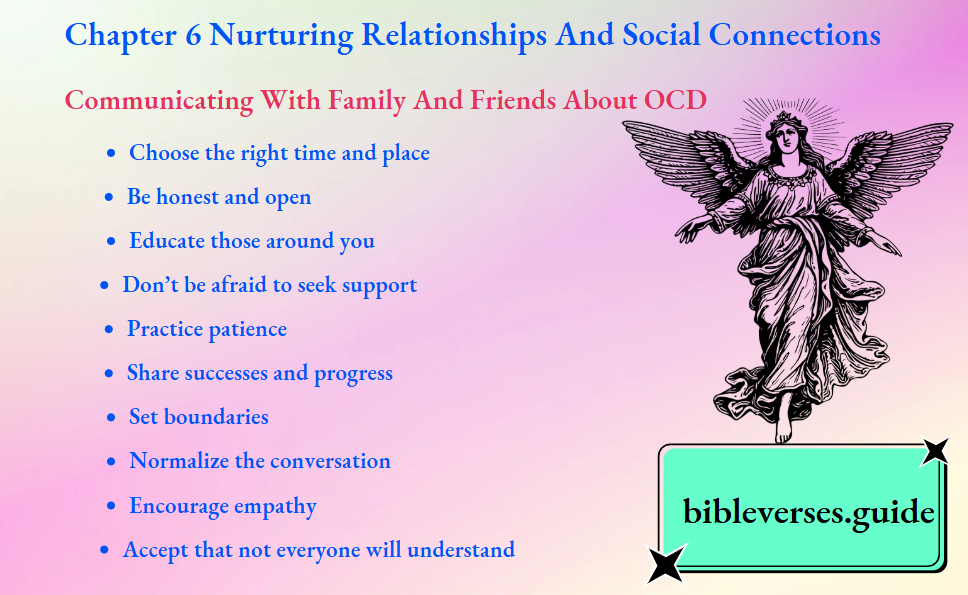
Communicating With Family And Friends About OCD
One of the challenges many individuals with OCD face is learning how to communicate their struggles to family and friends effectively. This can be daunting, but it’s essential for fostering understanding, support, and successful treatment outcomes.
For those living with OCD, fostering empathy and understanding from close friends and family can be vital in helping manage the condition effectively. Sharing your experiences with OCD can be challenging, particularly when articulating your thoughts and emotions to others. However, it’s important to remember that being open about your condition is vital to creating a supportive network for yourself.
When discussing your OCD with loved ones, try using simple analogies to help convey the turmoil you experience. You might compare your obsessions to a broken record or an invasive pop-up ad that constantly requires dismissal.
Making relatable comparisons help reduce the stigma associated with mental health conditions and makes your experiences more understandable. Additionally, provide specific examples of your obsessive thoughts and compulsive behaviors.
Be honest about how these symptoms affect your life and the steps you’re taking to manage them. Make sure that you emphasize that OCD is not a choice – it’s a genuine medical condition that requires professional treatment.
Another critical aspect of communicating about OCD is discussing how it impacts relationships. Family members and friends must understand that your condition may sometimes cause strain or tension. Still, they can be essential in supporting your recovery journey by remaining patient and empathetic.
Here are some tips on how to communicate effectively about OCD with family and friends:
1. Choose the right time and place: Pick a comfortable environment to discuss your condition without feeling rushed or judged openly. Ensure distractions are minimized so everyone can devote their full attention to the conversation.
2. Be honest and open: Share your thoughts, feelings, and experiences about living with OCD frankly. While it might be difficult initially, opening up about how the condition affects your day-to-day life will help others gain insight into what you go through regularly.
3. Educate those around you: Offer educational resources such as books, articles, or videos that explain OCD in more detail. By doing this, you’ll provide them with the knowledge they need to understand the challenges you face better.
4. Don’t be afraid to seek support: Let your loved ones know what support system you need. Create a dialogue around what works best for you— emotional support, reminders to engage in therapy or medication management, or simply just having someone to listen when things get tough.
5. Practice patience: It may take some time for others to fully understand the complexities of OCD and how it affects you personally. Remember that everyone has different levels of knowledge about mental health conditions, so try to be patient and understanding if they have questions or concerns.
6. Share successes and progress: Let those around you know when you’ve made strides in managing your OCD. Celebrate milestones together, whether overcoming a specific fear or completing a challenging therapy exercise. This allows your loved ones to see how their support contributes to your improvement
7. Set boundaries: Be clear about what you’re comfortable discussing and what might be off-limits. Those who care about you must understand your need for privacy while being informed about your condition.
8. Normalize the conversation: Dispelling stigma around OCD is important, so make an effort to make the conversation as normal as talking about any other health concern. Doing so can foster empathy and help others understand that struggling with OCD is not a character flaw but an ongoing challenge that requires support and understanding.
9. Encourage empathy: While actions speak louder than words, proactively encouraging your loved ones to place themselves in your shoes can also help promote empathy and understanding. Ask them to consider how they would feel if they were experiencing the symptoms of OCD, which will ultimately allow them to process better and comprehend what you’re going through.
10. Accept that not everyone will understand: Despite all your efforts, some individuals may struggle to fully grasp the challenges associated with living with OCD. Remember that this doesn’t necessarily reflect who they are as friends or family members; rather, it highlights their limitations when understanding mental health conditions.
By taking these steps to communicate with your family and friends about OCD effectively, you’ll create an environment where empathy and understanding are encouraged. This can lead to a sturdier support network that aids in making the journey toward managing OCD more manageable for yourself and those who care about you.
Navigating Romantic Relationships With Understanding
Romantic relationships can be challenging, but when one or both partners are dealing with obsessive-compulsive disorder (OCD), it can add another layer of complexity to the relationship. However, with understanding, compassion, and effective communication, couples can navigate the challenges of experiencing OCD together.
When entering into a romantic relationship with someone with OCD or if you have OCD yourself, it’s essential to approach the challenges with understanding. Below are some suggestions on how couples can navigate their relationships while managing the symptoms of OCD.
1. Educate Yourself About OCD: Education is key to understanding your partner’s experience with OCD. Learning about the disorder will help you better comprehend the thought processes and behaviors associated with it. There is abundant information available on reputable websites, in books, and through mental health professionals that can provide insights into the experience of individuals living with OCD.
2. Open Communication: Open communication is critical in any relationship but becomes even more crucial when one partner has a mental health condition like OCD. Encourage your partner to talk openly about their thoughts, feelings, and fears associated with their obsessions and compulsions.
It’s essential to approach these conversations with empathy and without judgment. Create a safe space for your partner to express themselves honestly without fear of criticism or stigma
3. Set Boundaries: As much as you want to support your partner in their struggle with OCD, it’s crucial to establish healthy boundaries for yourself in the process. You are not responsible for ” fixing” your partner or becoming their therapist.
Setting boundaries might mean not allowing yourself to get overly involved in your partner’s rituals or preventing their compulsions from dictating the course of your day-to-day life. Communicate these boundaries to your partner and work together to find a balance that respects your needs
4. Support Treatment: Encouraging your partner to seek professional help, if they haven’t already, can be an essential aspect of supporting them in managing their OCD. It may involve finding a therapist specializing in OCD, attending support group meetings, or researching appropriate medication options.
Supporting treatment doesn’t mean you have to dictate the course of therapy or accompany them to every appointment. Instead, work with your partner to identify specific ways you can support their recovery, such as providing emotional encouragement, helping locate resources, or offering practical assistance with appointments.
5. Practice Patience: Patience is vital when navigating a romantic relationship with someone with OCD. Progress in managing OCD symptoms may be slow, and setbacks are common. Understanding that recovery is a process and not an overnight change will help both you and your partner maintain realistic expectations for one another. Celebrate small victories such as a successful session with a therapist or breaking a cycle of obsessions, and express appreciation for your partner’s efforts to improve their mental health.
6. Prioritize Self-Care: Self-care is crucial for both partners when maintaining a healthy relationship. Balancing the emotional and practical demands of supporting someone with OCD can be challenging. Make sure you regularly take time out for yourself whether through hobbies, exercise, or spending time with friends to maintain your well-being.
For those living with OCD, actively engaging in self-care practices will also help improve symptoms and promote overall mental health within the context of the relationship.
Navigating romantic relationships when one partner has OCD may present unique challenges. However, couples can face these obstacles together by orienting themselves toward understanding, compassion, and effective communication.
Prioritizing education about OCD, practicing open communication and setting boundaries, supporting treatment, and practicing patience and self-care, can significantly improve the quality and resilience of relationships impacted by OCD.

Building A Supportive Social Network
Social support is crucial in improving mental well¬ being, as with any other mental illness. A supportive social network enables better management of OCD symptoms and promotes emotional resilience. Here are some guidelines for creating and maintaining a robust support system for individuals with OCD.
1. Education and awareness: The first step in fostering a supportive social network is educating yourself and others about OCD. Understanding the disorder helps people become empathetic toward those struggling with it. Read extensively about the disorder, symptomatology, and common misconceptions to counteract stigma. Attend workshops, join online forums, or consult mental health professionals to increase your knowledge.
2. Communication: Open communication lays the groundwork for developing a strong support system. For individuals with OCD, sharing their struggles can be incredibly daunting. To ease this process and ensure their feelings are understood and respected, create a safe space to discuss their experiences without fear of judgment or ridicule openly.
3. Encourage self-help strategies: Numerous self-help strategies have been proven effective in managing OCD symptoms and promoting emotional well-being. Encourage individuals with OCD to practice mindfulness exercises, cognitive-behavioral techniques (CBT), exposure-response prevention (ERP), stress reduction techniques, journaling, or use mobile apps designed to manage OCD symptoms.
4. Join support groups: Support groups provide essential emotional reassurance while providing valuable coping tools and resources. Individuals with OCD can benefit significantly from joining local or online support groups where they can connect with others facing similar challenges.
5. Create understanding environments: Society’s lack of understanding and misconceptions surrounding mental illnesses can amplify negative feelings, making individuals with OCD feel alienated and misunderstood. To counteract this, create environments where people understand and accept variations in mental health, allowing those with OCD to feel more secure about themselves.
6. Foster empathy and compassion: Emotional support is one of the crucial pillars of a supportive social network. Respond with empathy and understanding when someone with OCD shares their thoughts or problems. Strive to be nonjudgmental and provide active listening to create a caring atmosphere.
7. Advocate for mental health: Raise awareness about OCD through various channels (physical or virtual), such as disseminating information through articles, blogs, or podcasts to address misconceptions, promote understanding, and create an inclusive society.
8. Encourage professional help: Managing OCD is an intricate process that often necessitates professional assistance. Encourage individuals with severe symptoms to consult psychologists or psychiatrists so they can gain access to appropriate treatment options, including therapy and medications.
9. Leverage the power of technology: Advancements in technology have provided valuable tools for managing and creating connections among people with OCD. Social media platforms, specialized chat rooms, online forums, video conferences, and messaging apps serve as conduits for expanding one’s supportive network.
10. Prioritize self-care: Help individuals integrate self-care practices into their daily routines, including exercise, nutrition, sleep hygiene, mindfulness techniques, and engaging in hobbies that promote relaxation and well-being.
11. Set realistic goals and expectations: Recovering from OCD is a lifelong process characterized by progressions and setbacks. Help individuals set achievable goals concerning managing symptoms and encourage them in their journey at their own pace while celebrating small accomplishments.
Building a supportive social network is vital for better managing OCD symptoms and overall well¬ being. Developing awareness about the disorder, advocating for mental health initiatives, providing emotional support, and guiding toward professional help are crucial steps in fostering an inclusive, understanding, and empowering environment for individuals with OCD. With effort and persistence, this supportive network can prove invaluable in improving mental health.