The Book Of 1st John

Fellowship With The Father – The Book Of 1st John

Who wrote the book of 1st John: John the disciple

When was it written: Most likely around 90 A.D.

In order to refresh your memory of who John was, I am repeating a portion of the introduction to the book of the Gospel of John:

John was one of the first four disciples Jesus called into full-time ministry; making him privy just about every moment of Jesus’ three-year evangelistic crusade. John is also known as the disciple that Jesus loved.

Among the twelve disciples Jesus chose as his core group of confidants and assistants, he had an even more select group of three—Peter, James, and John. And from those three we see numerous times when it was John Jesus relied on.
The Book Of 1st John

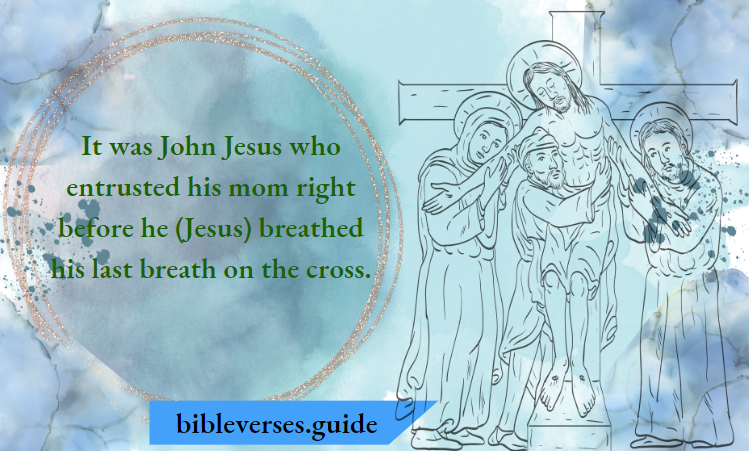
Yes, in spite of the fact that Jesus had several brothers (the writer of James and the writer of Jude being two of them), he entrusted his mother to John. But why? What made John so special?

The answer is simple: Family. John was family…Jesus’ first cousin, to be exact. The fact that Jesus, James, and John were first cousins is not specifically stated in scripture like that, i.e. “Jesus; James, and John were cousins”. But the fact presents itself in all four of the gospels when you put them together to see what they say.

Fellowship With Jesus

Fact #1: We learn early on that James and John are the sons of Zebedee.

Fact #2: The Gospel writers tell us that among the women standing with Mary (Jesus’ mother) at the cross was Mary Magdalene, Mary the mother of James the lessor, and the mother of Zebedee’s children (Matthew). The book of Mark tells us the same thing, only he calls the mother of Zebedee’s children by name—Salome.

Fact #3: Salome and Mary (Jesus’ mother) were sisters. John tells us in recording who was with Mary at the cross that the group of women consisted of Mary, Mary Magdalene, Mary the wife of Cleopas, and Mary’s sister, Salome.

Unlike Jesus’ siblings (among them, New Testament writers James and Jude), John had been with Jesus from the start of his ministry. Like Peter, he had heard, seen, lived, experienced, and spoken the truth. It was as much a part of him as his right arm. And it was because of this that John wrote this letter and the two that follow.

At the time of his writing Christians were still undergoing a tremendous amount of persecution. They were also under attack from the Gnostics. If you will remember from earlier reading, the Gnostics:

Believe Jesus was nothing more than a good man whose life is worthy to be emulated.

Believe we live more than one mortal life so there is no resurrection of the physical body.

God came from humans and is a glorified human. To say that God has always been is to say he is not real because everything has to have a beginning.

We have the capacity to be equal with God.

The body and all things made of matter are evil, but the spirit is entirely good.

Faith is a choice, but there is no condemnation in walking away from God.

John’s primary focus in this first letter was to expose the lies of the Gnostics and reassure Christians of the hope and truth of salvation and the second coming of Christ.

Christian Fellowship – What We Learn From The Book Of 1st John

  • He reiterates that he is an eye-witness to the truth and that the truth was, is, and forever will be the same. (1:1-4)
  • God is light and in him, there is no darkness, or evil (sin). When we walk (five) in that light all darkness (sin) will be exposed. (1:5-7)
  • We are all sinners in need of the Savior and when we confess our sins before Christ he will forgive us and purify us; making us right with God. But if we claim to be without sin, we are lying and calling God a liar, as well. (1:9-10)
  • We are to try to live our lives as free of sin as possible; trying to emulate Jesus in all things. But when we do fall short (and we will) we have the comfort of knowing that forgiveness is ours for the asking. (2:1-6)
  • Hate has no place in the hearts and minds of Christians. (2:9-11)
  • We are to live in the world, but not embrace or love the world’s view of happiness, money, pleasure, and God. The world was created by God, but it is full of evil and we are not to participate in that evil. (2:15-16)
  • Those who choose God over the world (good over evil) will live forever with God. (2:17)

The antichrist: who is it? What is it? Where is it? (chapter 2)

Live in such a way that you can stand before God with confidence and assurance on the day of judgment. (2:28)

God’s love is immeasurable and we are blessed to be called his children. (3:1)

As a child of God, we are to live in sin. We will sin, but that is not the same as living in sin; repeatedly and continually doing what God has commanded us not to. Those who continually live in sin cannot be part of God’s family. Those who claim to live in Christ MUST walk as Jesus did. (3:4-10)

We shouldn’t be surprised when the world displays its hate for us because of our faith. (3:13)

Once again we are told to love one another. We are also given examples of what love ‘looks’ like. The ultimate example, of course, is the love Jesus displayed in giving his own life as a sacrifice for our sins.

After reminding us of this, John clearly states that we, too, should be willing to give our lives for our brothers/sisters in Christ. Love also shares material wealth and possessions with those in need without hesitation or resentment. He says that true love as God has called us to love is much more than just words. It is demonstrated and lived out. (3:16-18)

God knows everything and can see into the deepest, most secret places in our hearts and minds. (3:20)

When we live according to God’s commands, he will give us whatever we ask for because he knows that anything we ask for will be pleasing to him and his will for our lives. (3:23-24)

We are not to automatically believe everything we hear or are taught—even in church. We are to test the spirits, which means we are to compare or measure everything we are taught to see how it lines up with the Bible.

False teachers and antichrists are literally everywhere. We need to know the difference so we aren’t drawn away from the truth, thus putting our salvation in jeopardy. (4:1-6)

One more reminder to love each other as God loves us is given. We are told that even though we cannot see God we know he lives in us when we are capable and willing to extend to others the love he extends to us.

We also learn that when we experience the love of God and when we exhibit the love, we have nothing to fear. Nothing, (chapter 4)

  • God recognizes us as his children when we carry out his commands. (5:2)
  • Only those who believe that Jesus is the Son of God will overcome the world (sin). (5:5)

Fellowship With The Father

The literal translation of this verse says “…he who is believing…” This directly implies that the belief is not just a thought tucked into the back of one’s mind, but rather an active faith. To believe is to live according to your beliefs.

In other words, simply saying you believe that Jesus is God’s son is not enough. Your actions have to reflect what you say. And if your actions reflect what you say, you will be living a life of faithful obedience in all things God has commanded us to do.

A brief explanation of the trinity. (5:6-12)

When we live a life that reflects our belief that Jesus is the Son of God, we have the confidence of knowing we will spend eternity in heaven. We also have the confidence of the promise that whatever we ask for according to God’s will, will be given to us. (5:13-15)

  • We are to pray for and try to help lead anyone who goes astray back to the LORD. (5:16)
  • There is one sin that is unforgivable by God. (5:17)

We know from other passages of scripture (Matthew 12:31-32) that the sin John is speaking of here is blasphemy, which means to deny the existence of the Holy Spirit.

We cannot continue to live a sinful lifestyle if we want to be considered God’s child and inherit salvation. (5:18-20)

We are to keep ourselves free from (away from) idols of any kind. (5:21) NOTE: Idols are not limited to statues of things presumed to be gods or goddesses. Money, food, sex, drugs, material possessions, our career, our reputation, and even other people can become idols in our lives.

Simply speaking, an idol is anything you put more value, time, effort, and energy into than you do God and your relationship with him.


The Book Of 2nd Peter

The Book Of 2nd Peter

Who wrote the book of 2nd Peter: Peter When was it written: 66 A.D
.
Peter wrote this second letter to the same people he was writing to in 1st Peter—Christians scattered throughout the Roman Empire (Asia Minor).

Peter’s primary focus in this second letter is to warn his brothers and sisters in Christ against false teachers.

Peter had been one of Jesus’ constant companions throughout his ministry here on earth. Peter knew the truth because he had:

Learned the truth by the very one who IS the truth

Seen the truth in witnessing the miracles and signs of Jesus

Seen the truth in witnessing the death, burial, and resurrection of Jesus

Experienced the truth of Jesus’ sacrifice by being forgiven and reinstated as a disciple and apostle following his denial of knowing Jesus

The Book Of 2nd Peter

Spoken the truth when Jesus asked Peter who he believed Jesus to be

Spoken the truth on the Day of Pentecost, which was the birthday of the New Testament Church

Shared the truth with countless others throughout the known world

Lived the truth in his establishment and overseeing of the Church and its various congregations

Died for the truth as a Christian martyr at the hands of Nero —crucified like Christ had been, but hanging upside down because he would not ‘raise himself to Christ’s level’ by being nailed to the cross in the exact same way Jesus had.

Peter’s passion for the truth was the fuel that fed his energy and devotion to ensuring the truth persisted and prevailed in the Church.

He would give his very life to make sure that happened.

What We Learn From The Book Of 2nd Peter

Our faith is valuable and precious. There is nothing comparable to it. (1:1)

God is the provider of everything we need in this life. (1:3)

promises, which are the promises we base our faith on, save us from corruption and make it possible for us to achieve moral excellence. (1:4)

Faith on its own is not really faith. Real faith is demonstrated and complimented by goodness, knowledge, self-control, perseverance, kindness, and love. All of these put together ‘equal’ godliness. (1:5-7)

When we live faithfully, demonstrating godly character, we produce ‘good fruit’ for the kingdom of God here on earth.

We are productive and effective in sharing the message of the Gospel through our words, deeds, and attitudes. We are a reflection of who Jesus is. (1:8)

Those who call themselves Christians, but fail to live productive lives for the kingdom are described as ungrateful and blind to the gift of salvation. (1:9)

Even though we may be firmly established and rooted in the truth of God’s Word, we need to continually study to gain even more wisdom and knowledge of the same. We can never know too much about the Bible or be too close to God.

By continuing to grow in knowledge and wisdom of God’s Word we are better equipped to fend off any false teachings that are presented to us. (1:12-16)

False teachers will be present in this world until the day Jesus returns. Some will blatantly and boldly deny the holiness and sovereignty of the LORD. Other false teachers will worm their way into the church.

They will use deceitful, seemingly-correct teachings to lure people away from the truth. They will also create divisions in the Church when some choose to follow these teachings. (2:1-3)

We are warned that God will have no mercy on false teachers. They will receive the same punishment the angels who rebelled against him did…hell, (chapter 2) NOTE: This passage of scripture is an important one in the fact that it describes the full nature of God.

All too often people are content to keep God in a nice, neat little box labeled LOVE. They choose to see him as nothing more than a glorified Santa Claus or genie in a lamp. But when things go bad, they are quick to deny his being. “A loving God would never do that,” they say.

So which is it? God is love, but love in its purest form includes justice. Think about it…how loving would you think God is if he tolerated evil? The evil that would negatively affect your life?

Our concept of time is entirely different from God’s. To God a day like a thousand years. But know this: Jesus is going to return. We don’t know when, but it will happen. (3:8)

God is just and will punish the evil and those who don’t accept Jesus as Savior, but he is patiently waiting for as many as possible to be saved. (3:9)

When Jesus comes back there will be no doubt in our minds about what is taking place. (3:10)

We need to live in readiness for the day of Jesus’ return and the final judgment. (3:11-15)

The Book Of 1st Peter

The Book Of 1st Peter

Who wrote the book of 1st Peter: Peter When was it written: 64 A.D.

The book of 1st Peter is written to Christians scattered throughout the known world of that day; specifically Pontus, Galatia, Cappadocia, Asia, and Bithynia, which with the exception of Asia, were all located in what is now Turkey.

This area, which was part of the vast Roman Empire, was the ‘hotbed’ of Christianity.

Yes, it is true that the Church was established in Jerusalem on the Day of Pentecost, but if you will recall in the book of Acts (chapters 5, 8, and 11), persecution at the hands of Jewish leaders, extremists, including Saul (who later became Paul), and the Roman government caused many early Christians to scatter.

This scattering resulted in small groups of dedicated and faithful Christians spreading the message of the Gospel throughout the communities where they settled. And by the grace and guiding hand of God, it spread like wildfire.

The fact that the Gospel was spreading and the Church was growing did not mean the opposition and persecution ended when they left Jerusalem, though. The early Christians experienced hardships and trials because of their faith no matter where they were.

Thus, Peter, being one of, if not the most influential leader of the early Church, wrote this letter to Christians everywhere as a reminder or pep talk to stay the course.

The Book Of 1st Peter

He goes on to say, however, that they don’t need to worry or be fearful of these things because God is in control and is watching over them.

Peter also reminds readers of God’s holy and gracious nature and that we are to imitate these things as we wait for the day of Christ’s return.

Peter’s letters (1st and 2nd Peter) are direct and to the point. He doesn’t mince words, but then we wouldn’t expect him to.

This is Peter we are talking about. When Jesus reinstated Peter in the last chapter of the book of John, Peter decided right then and there (if not before) that he wasn’t going to ever make the mistake of letting Jesus down again. This doesn’t mean Peter was perfect and sinless for the rest of his life. We are all sinners in need of the Savior.

What it does mean, however, is that Peter took his role of transferring from a disciple (one who was being taught) to an apostle (one who was teaching) very seriously.

Peter’s writing demonstrates his dedication and desire to share the Good News of the Gospel and to help others avoid being separated from Christ. He had experienced the dark hopelessness of separation for only a brief time, but it was long enough to know that he wanted to save anyone and everyone he could from going there.

So while Peter’s directness can often be blunt, that’s okay. We need that so that we don’t fall into the temptation of twisting and contorting God’s Word to justify our desires and appease our conscience. We need to know that there are things God has commanded us to do—that yes means yes and no means no.

Peter isn’t afraid to tell us these things. Are we afraid to listen and obey?

What We Learn From The Book Of 1st Peter

Peter calls readers ‘strangers in the world’; meaning we are to intentionally strive to avoid getting caught up in worldly pleasures, thought processes, and justifications. We are to see the world as God sees it and live life according to God’s standards. (1:1)

We have been chosen to be saved by the blood of Jesus and live in obedience to him. (1:2) NOTE: Being chosen by God does NOT mean that only a select few can and will be saved. Being chosen is an all-encompassing term.

We, as in the entire human race, were chosen over all other creatures God created to be like him and to spend eternity with him. Because of sin, however, we have to choose whether or not that happens.

Our hope for rebirth (eternal life) has been made possible by the death, burial, and resurrection of Jesus. (1:3-4)

A reminder of what faith is and the value of it. (1:7-9)

A reminder that the purpose of the prophets was to prepare the way for Jesus. Jesus was the fulfillment of their messages. (1:10-12)

We are to be holy, self-controlled, and obedient to God, and we are to rely on his grace. This is not something we can feel or be in the mood for, though. It is a mindset. We have to decide to be these things.

In other words, faith is not a feeling or an emotion. Faith is a decision. We must decide…make the choice to be holy and turn away from evil desires, which are feelings. (1:13-16)

God will judge each of us fairly. (1:17)

We are to live with a reverent fear of God’s judgment—a fear that is utter respect for his holiness, power, and authority. This fear and respect should come as a result of gratitude and the knowledge that we were redeemed by the sacrificial blood of Jesus’ own body. Jesus…the one and only Son of God who is naturally his and not adopted as we are. (1:18-19)

Our salvation should inspire and drive us to be like Jesus; loving others as he does and treating them as we want to be treated. (1:22)

This world and everything in it will disappear, but the Word of the LORD stands forever. (1:24)

We are to rid ourselves of every bit of malice, deceit, hypocrisy, envy, and slander. (2:1)

We are to strive toward spiritual maturity. (2:2-3)

We are to be active in our faith. We are to see ourselves as a living, breathing part of the Church. (2:4-6)

is the foundation of the Church—the solid rock on which it stands. Jesus is also the stone over which unbelievers stumble and fall. (2:7-8)

Peter reminds us that though we (Gentiles) were not members of God’s chosen people, Israel, we are now God’s children and recipients of his mercy, love, and grace. (2:9-10)

We are to live as strangers (there’s that word again) in this world. We are to resist and run from the evil desires Satan tempts us with. We are to live in such a way that

No one can justly accuse us of wrong and

People will automatically see Jesus in us—even if they don’t realize Jesus is who/what makes the difference. (2:11-12 and 15)

We are to submit to all authorities (law enforcement and government). (2:13-14)

We are NOT to use our freedom in Christ as an excuse for breaking the law or covering up evil. (2:16)

We are to show respect and love to everyone. We are also to fear God, and submit to our employers. (2:17-18)

We aren’t to worry about, hold grudges against, or rebel against those who treat us unfairly or harshly. Instead of taking matters into our own hands, we are to hand them over to God. When we do we can rest assured that God will bless us and deal harshly with those who mistreat us. (2:18-20)

Rather than being surprised or upset when we are ridiculed and persecuted, we should expect it and even consider it an honor to be recognized as a Christian. (2:21)
We are reminded of how and why Jesus suffered on the cross. (2:21-24)

We are Jesus’ sheep and he is the shepherd and overseer of our souls.

NOTE: To be Jesus’ sheep is quite a compliment. Why? Because in spite of what most people think, sheep are NOT dumb, stupid, or whatever synonym you might want to use. Sheep are trusting, compliant, and creatures of habit.

They want to be led. They want to be taken care of and they trust and even expect the shepherd to always be there to tend to their needs. And THIS is exactly what Jesus wants from us.

We are again reminded of God’s command to wives to be submissive to their husbands. Wives of unbelieving husbands are also to submit in hopes that they will come to know Christ as Savior because of their actions and faith. (3:1-2)

The true beauty of a woman is NOT found in her outward appearance—clothes, makeup, hairstyles, and jewelry. The true beauty of a woman comes from her inner self—an inner self that is gentle and has a calm, serene, and discreet spirit. (3:3-5)

Husbands are to treat their wives with TLC and respect. In doing so they are fulfilling a God-commanded spiritual duty. Christian men who do not treat their wives in this manner place an obstruction or hindrance between their prayers and God. (3:7)

Women are the weaker sex. NOTE: This is not a criticism or meant to be derogatory. It is a fact. Women are, generally speaking, less muscular and their bodies are built to bear up under pregnancy and childbirth rather than continuous, hard physical labor. Women and men are also wired differently mentally and emotionally.

This doesn’t make one right and one wrong. It makes us different—equipped to excel at different things. So in giving men the responsibility to watch over women and respect them as the “…weaker partner….” God is not slamming us. He is giving us an extra dose of TLC. (3:7)

Once again we are told to get along with one another. We are told to live in harmony, to be sympathetic, compassionate, loving, and humble. We aren’t to repay evil with evil or insults with insults, but rather overcome evil with good and extend kindness to those who insult or hurt you as a means of

Setting a Christ-like example and

Receiving a blessing from God for doing good. (3:8-9)

Most of the time we won’t be harmed for doing what is right and good, but if we are, God will bless us for it. (3:13)

Jesus is to be the LORD of everything in our life. We are also supposed to be ready, willing, and able to answer questions concerning who Jesus is and why we claim him as LORD and Savior. (3:15-17)

Jesus Christ is the ultimate and only sacrifice that can save us from our sins. Accepting Jesus as Savior happens when we are baptized into Christ for the forgiveness of our sins for the purpose of washing away our old self in exchange for a new and good conscience toward God.

This “…new conscience…” is reflected by living obediently so that we can receive our reward, which is a home in heaven for all eternity. (3:18-22)

We should be willing to suffer for Christ and the Church since he suffered for us. (4:1)

We will all have to give an account of our lives on the day of judgment. (4:5-6)

We are to live as if each day is our last—prayerfully and with a clear conscience. We are to love one another, show hospitality to one another, and use our God-given talents and abilities to serve the Church, serve others, and minister to those in need. In other words, we are to live 24/7 for Christ and like Christ. (4:7-11)

Peter once again reminds us that any suffering, persecution, or ridicule we receive because of our faith is nothing to be ashamed of or afraid of. He says we should see it as a blessing and that God will bless us even more when we endure it with grace, dignity, and continued faith. (4:12-19)

Elders are to be shepherds/leaders of the congregation. They are to serve willingly, faithfully, and humbly. (5:1-4)

Young men in the church are to be respectful and submissive; learning from the older men so that they will be ready to take their place when the time comes. (5:5)

We are to humble ourselves before God; putting all our cares, worries, and fears in his capable and loving hands. (5:6-7)

We are to be always ready to resist the devil. We should be constantly on guard against him; watching for his devious schemes. We are also told in these verses that the best way to do this is to know the truth of God’s Word and know it well. (5:7-9)

Book Of James

The Book Of James

Who wrote the book of James: James, the brother of Jesus When was it written: 48 to 50 A.D.

The book of James is one of the New Testament books referred to as a ‘general letter’. The general letters are written to Christians in general, rather than to a specific church (like Ephesians, for example).

This does not mean that the letters written to the specific churches are any less important and relevant to Christians then, now, and in the future. It simply means they speak in general terms of Christian conduct rather than addressing specific problems the churches were facing (and still face).

Overview Of The Book Of James In The Bible

We know from reading the four books of the gospel writers that Jesus’ siblings were not strong supporters of his ministry in the beginning. In fact, in Mark 3:20-33, we read that they were embarrassed by their brother’s ministry…..that they did not believe their oldest brother was the Son of the one true God.

The Book Of James

Jesus’ appearance to James wasn’t a coincidence. Neither was it because he and James shared an extra-special brotherly bond. It was undoubtedly because he (Jesus) saw in James the great teacher and Church leader he turned out to be.

Yes, that’s right. James because a prominent leader in the early church in Jerusalem. James pastored, taught, and encouraged the early Christians as they went through the growing pains of going from Judaism to Christianity.

He shepherded them through the persecution and ridicule they faced; focusing on everyday living and Christian character rather than doctrinal issues. James tells us what it is and means to be truly faithful, truly wise, and truly religious.

As you read through the list of things we learn from the book of James, I ask that you do so with the mindset of measuring your own life against James words of wise instruction because when you look in the mirror or when others look at you, the person

James describes it as the person you need to see staring back and you and the person others need to see.

What We Learn From The Book Of James

We are to view the trials we face with joy and with the attitude that we will learn from them and allow them to grow and mature our faith in God. (1:2)

When our faith grows because of the difficult situations and difficult times we face, we also develop perseverance. (1:4)

Key Themes In The Book Of James Explained

All we have to do in order to gain wisdom is ask God for it. (1:5)

We MUST believe and not doubt. Otherwise, we will receive nothing from God. (1:6-7)

Rich or poor—it doesn’t matter. What matters is that we have a heart of humility toward God. (1:9-11)

We will be blessed when we persevere through hardships without losing faith. (1:12)

God does not tempt us. Temptations come from the evil desires Satan places in our hearts and minds. (1:14)

Living a lifestyle that gives in to temptations results in spiritual death. (1:15)

EVERY good thing comes from God and only God. (1:17)

We are to be quick to listen, slow to speak, and slow to become angry. (1:19)

We are to get rid of all anger, moral filth, and evil thoughts we have. (1:21)

Book Of James Commentary

It’s not enough to know what God’s Word says. We have to live it 24/7 in order for it to be real and relevant…for our faith to be real and relevant. (1:22)

We are to keep a tight rein on our tongue (what we say). Otherwise, our religion is worthless. (1:26)

God’s definition of religion: To look after orphans and widows and to keep oneself from being polluted by the world. (1:27)

We aren’t to show favoritism toward people based on their looks, their social status, their heritage (race, etc.), or their popularity. We are to love everyone and treat everyone the way we want them to treat us. (2:8-9)

Sin is sin—none is greater or lesser than another in God’s eyes. (2:10-12

We are to extend mercy to others rather than pass judgment on them. (2:13)

NOTE: Judgement is not the same as holding someone accountable for falling away from God’s direct commands.

We are saved by faith—a faith that is demonstrated by its deeds. Faith and deeds go hand in hand. Without deeds faith isn’t faith…it is lip service. (2:14-26)

Teachers of the Word will be judged with more scrutiny than those who are not teachers of the Word. (3:1)

Not everyone is called to teach the Word of God on a broad scale, but we are all called to share the Word of God with those around us. (3:1)

We are not perfect, as in sinless, but we should strive to be perfect as in striving to be like God in all ways. (3:2)

An excellent message containing analogies on keeping ourselves in check. (3:3-12)

What is wisdom? It is living a good life of deeds done in humility out of a love for God and a desire to love as he loves. Godly wisdom is pure, peace-loving, considerate, submissive, merciful, impartial, and sincere, and includes acts of service and ministering to the needs of others. (3:13 and 17)

We are to get rid of any bitterness, envy, and selfish ambition we are harboring in our hearts. (3:14)

Having a worldview of wisdom leads to earthly, unspiritual ways of thinking and acting. These things are from the devil and should be avoided at all costs. (3:15-16)
Conflict is nearly always the result of fighting to get our own way. (4:1-2)

We are to ask God for what we want. But when we ask with wrong or impure motives, or when we ask for things that go against God’s expectations and desires for our life, we should not expect to grant our requests. Why? Because God will never give us anything contrary to his perfect will for our lives. (4:2-3)

When we submit to God, the devil doesn’t stand a chance with us. (4:7)

God will never push himself on us or force his will on us. But when we come near to him, he welcomes us with loving and open arms; drawing us close to his side. (4:8)
When we humble ourselves before God he blesses us. (4:10)

Biblical Perspective On The Book Of James

God is the judge of man. (4:12)

We should seek God’s will for our lives in all things and make our plans accordingly. (4:13-16)

Anyone who knows the right and Godly thing to do, but doesn’t do it, is guilty of sin. (4:17)

Warnings for making money and wealth a priority and the basis of your identity. (5:1-6)

We are to be patient and kind to one another. (5:7-8)

We are to be people of integrity—men/women of our word. (5:12)

James Bible Study Guide For Personal Growth

We are to be people of prayer and people who willingly and joyfully offer up praises to God. (5:13)

God is a healer. (5:14-15)

We are to confess our sins to God and to each other. (5:16)

There is tremendous power in prayer. (5:16-17)

We are to hold our brothers and sisters in Christ accountable for their actions, and they are to do the same for us. Additionally, when we see a fellow Christian falling away from God and choosing a lifestyle of sin, we should try to win that person back to Christ. (5:19-20)

Book Of Hebrews

The Book Of Hebrews

Who wrote the book of Hebrews: We are unsure of the authorship of Hebrews, but many theologians believe Barnabas or Luke may have written it.

When was it written: 70 A.D., which was just prior to the fall of Jerusalem

History tells us that at the time the Book of Hebrews was written, the Church was undergoing severe persecution. Those who claimed to be or were suspected of being Christians were beaten, imprisoned, or at the very least, shunned by those who weren’t.

The pressure of persecution had two very different effects on the people. For some, the persecution only served to strengthen their determination and resilience to live out their faith.

Others, however, were scared and confused. Was this new faith really something to go to prison for? To possibly even die for? Was it worth losing your friends and extended family over?

The book of Hebrews is the answer to those questions. And the answers are always a resounding YES! Following Christ and giving him your whole life always has been, always is, and always will be absolutely, positively worth it. No matter what the cost of Christianity here on earth, the reward of heaven will be greater than we can imagine.

The Book Of Hebrews

It was for those who were tempted to return to Judaism in order to avoid persecution.

And in order to do that, the writer emphasized over and over again that bigger and better things were waiting for them. All they had to do was remain faithful.

The fact that Jesus Christ has been given ultimate authority by God, that he is the mediator between us and God, and that he is the all-sufficient sacrifice for our sins, is clearly the book’s theme. Faith in these things is the other resounding theme of Hebrews. The faith of those who came long before the Church

What We Learn From The Book Of Hebrews

God changed his method of communication. Prior to Jesus’ life here on earth, God communicated with us through the prophets. Jesus’ ministry, however, changed all of that. With the coming of Jesus, there was no more need for prophets because Jesus was (and is) the fulfillment of everything God said through the prophets.

Therefore, the inspired Word of God, which is the Bible, is all we need. Messages/sermons based on anything other than the scripture are false teachings. Furthermore, anyone coming after Jesus who said they were or who says they are a prophet is also a false teacher. (1:1-2)

Jesus is an “exact representation” of God’s being. After Jesus returned to the Father in heaven, he sat down at God’s right hand to wait for the day God deemed right for his return. (1:3 and 1:5-9))

Jesus is higher than the angels. (1:4)

God is the creator of the world and is all-powerful, supreme, and eternal. (1:10-12)

Angels are ministering spirits sent to serve those who will inherit eternal salvation. (1:14)

We are to be mindful of what we hear and listen to so that we are not led astray. (2:1)

The proof of salvation through Jesus has been offered through miraculous signs and wonders and by the indwelling of the Holy Spirit for those who have been saved. (2:4)

Everything is subject to Jesus’ authority. (2:8-9)

Jesus’ death was a sacrifice for our sins; saving us from eternal suffering in hell. (2:9)

Jesus’ human existence made it possible for him to literally understand our temptations and help us overcome them. (2:18)

We are to fix our thoughts on Jesus, the faithful one. (3:1)

We are to be vigilant against having a sinful heart that turns us away from God. (3:12)

We are to encourage our brothers and sisters in Christ to remain faithful and to keep looking upward and forward toward our eternal reward in heaven. (3:13-14)

God does not and will not withhold his anger against the rebellious and unbelieving. (3:16-19)

We are to observe a day of rest. (4:9-11)

God’s Word is living, breathing, and active. It judges our thoughts and attitudes. It looks at and knows the heart of each and every one of us. (4:12-3)

We will all stand before God and give an account for our lives. (4:13)

In living a faithful, obedient life, we can have confidence that we will receive God’s grace and mercy. (4:16)

everyone is meant to be a preacher/evangelist of a congregation. It is a calling from God. (5:4)

Jesus also had to submit in obedience to God. His death proved that he was. (5:8-9)

We are to consistently strive to mature in our relationship with God through studying and understanding God’s Word and by growing our faith. (5:12 to 6:3)

There is a danger of rejecting the truth and distancing ourselves so far from God that it is impossible to come back to God in repentance. It is impossible because their hearts are so hardened and Satan has such a firm grip on them that they no longer have it in them to turn back to the truth. (6:4-8)

God is patient but we should not test his patience. (6:10-12)

The ultimate sacrifice of Jesus, the perfect and sinless son of God, was necessary because we are powerless to attain perfection on our own or in the keeping of the Mosaic Law. (7:11)

An explanation of the Old Law priesthood being replaced by Jesus, the ultimate priest, (chapters 7, 8, and 9) NOTE: This was especially important due to the fact that those the letter was addressed to were contemplating returning to Judaism and the Old Law.

We are to come to God with a sincere heart and full acceptance of him in faith. (10:22-23)

If we deliberately keep on sinning after accepting Christ as Savior, our salvation is not real. And as a result of our lack of commitment, we have only the judgment and raging fires of hell to look forward to. (10:26-27).

NOTE: This is NOT the same as sinning (losing our temper on occasion, ignoring the opportunity to witness to the young couple in the store, or things like that. The deliberate sinning spoken of here is repetitive and intentional.

Those who hear the truth and reject it are worse than those who never accept it for lack of hearing. (10:29)

The definition of faith. (11:1-3)

A faith “hall of fame”. (11:4-39)

We are to get rid of anything and everything in our lives standing between us and God. (12:1-2)

We are to persevere and not give up. (11:3)

Hard hips and difficult circumstances should be viewed and served as a discipline by God. (12:8)

NOTE: This does not mean God causes everything bad that happens to us to happen. It simply means he often uses it to discipline us.

Discipline isn’t pleasant, but it is necessary in order for us to learn and grow. (12:11-13)

We are to make every possible effort to get along with everyone. In doing so we are setting an example of holiness. (12:14)

We are to love everyone and help those in need. In doing so we might actually entertain/help one of God’s angels. (13:2)

We are to be sexually pure and completely faithful to our spouse. (13:4)

We are to be content with what we have and not fall into the sin of loving money and the things it can buy. (13:5)

We are to remember those who have spoken God’s Word to us and set an example of how we are to live. We are to imitate their faith. (13:7)

Jesus is the same yesterday, today, and forever. He will never change. (13:8)

Don’t let false teachers get in your head or your heart. (13:9)

Submit to your congregation’s leadership as far as it is in exact teaching of God’s Word so that you can serve and minister as we are called to do. (13:15-17)


John 11:35 A Crying God

A Crying God

This shortest verse in the entire Bible reveals one of the most profound truths of the Christian faith: that our God is not uncaring and aloof from our problems but can understand and feel our pain.

I’m the kind of person who cries when I see someone else crying. Even movie and TV tears can have me reaching for tissues.

John 11:35 Commentary On Jesus Weeping

Why do I feel such emotion for people I don’t even know? Because I have had my share of suffering, hurt, and loss, and I can imagine how they feel.

That’s part of why I find this verse in John’s Gospel so powerful. John 11 tells us that Lazarus and his two sisters, Mary and Martha, were close friends and devoted followers of Jesus.

Bible VersesKnowledge Of The HolyEvery Christian Should Know
Key Biblical Messianic PropheciesPower in the BloodPresence of GodSavior on the Cross
Pursuit of GodBible Study For BeginnersPray For Those You LoveHeart Of God

One day the two sisters came to Jesus with troubling news: Lazarus was gravely ill.

By the time Jesus and his disciples returned to Bethany, Lazarus was dead.

Mary was brokenhearted and grieved for her lost brother. Others who had known him wept along with her.

Jesus joined in with them, shedding his own tears of sorrow for a beloved old friend.

John 11-35

The passage doesn’t tell us how long Jesus cried or give us any details about the sorrow that touched his heart.

It simply says: “Jesus wept.” Then Jesus called: “Lazarus, come out!” Lazarus emerged from his tomb, his smelly grave clothes dangling from his face, hands, and feet.

Over the centuries, Christians have cherished this amazing passage, which demonstrates Jesus’ power over life and death.

But by focusing on the dramatic miracle of Lazarus’s resurrection, have we overlooked the importance of Jesus’ tears?

The Meaning Of John 11:35 “Jesus Wept”

The gods of most world religions are too removed from the common concerns of human life to feel our pain or shed a tear.

Muhammad is commonly portrayed as a brave warrior, not a sorrowful soul. Statues of Buddha look stone-faced and stoic. Some Hindu gods are angry and vengeful.

Jesus is different. Out of love for us, he left his Father in heaven and became a human being so he could reach us right where we were.

For more than thirty years, he walked this earth, tasting the joys and tragedies of ordinary life.

A Crying God: The Humanity Of Jesus In John 11:35

In time his deep love would lead him to pay the ultimate price—sacrificing his own life on the cross in order to save us from our sin.

Jesus’ tears show that he feels as we do.

As with our own tears, his came only after he could no longer contain the swelling waves of sorrow.

The droplets that spilled down his face reveal that he can understand our broken dreams, our dashed hopes, and the many pains that come from dealing with life and loss.

John 11:35 Study Guide

Jesus understands, and the Savior who raised Lazarus will someday raise us.

God, thank you for sharing the pain I often feel in this life. May sorrow and tears cleanse my heart and deepen my love.

LUKE 4:18-19 Serving Them Serves Christ

Bible Verse on Serving

Serving Them Serves Christ

Jesus spent thirty years preparing for his three years of ministry.

His “final exam” was to undergo an intense forty-day period of testing and tempting by the devil in the desert.

After he passed this grueling test, Jesus went to the synagogue in Nazareth and delivered these stunning lines from the prophet Isaiah:

Luke 4-18-19

From that day on, Jesus traveled throughout the countryside, healing the sick, caring for the poor, exorcising demons from the possessed, and preaching the gospel of salvation.

Bible Verse on Serving

Jesus’ words are some of the most beautiful and powerful ones ever spoken, but his ministry was much more than a matter of words.

As he continually demonstrated, serving God requires an active, hands-on response to people’s pains and problems.

He told us as much in the passage from Matthew. It shows Jesus sitting on a throne of judgment, dividing all of humanity into two groups: the sheep and the goats.

Bible VersesKnowledge Of The HolyEvery Christian Should Know
Key Biblical Messianic PropheciesPower in the BloodPresence of GodSavior on the Cross
Pursuit of GodBible Study For BeginnersPray For Those You LoveHeart Of God

The sheep are those people who did the things Jesus described in verses 35-36. The goats are those people who did not do these things.

But the sheep wondered when they had performed these ministries. Jesus’ answer was clear and unmistakable: “I tell you the truth, whatever you did for one of the least of these brothers of mine, you did for me” (v. 40).

Matthew 25-35-36

In other words, when we feed the hungry, give water to the thirsty, show hospitality to the stranger, clothe those who are naked, and visit those in prison, we are actually doing these things to Jesus.

He didn’t explain exactly how this works. This is one of the many mysteries of the faith.

But in his words and in his actions, Jesus demonstrated the eternal importance of putting our faith into action. Whether or not we do so is our “final exam.”

Father, help me reach out to those in need, for in doing so I am ministering to your Son.


PSALM 32:7 – You Are My Hiding Place; You Will Protect Me

God Protects Us

Our train pulled into the station at Haarlem, The Netherlands, and I couldn’t wait to get to the watch shop that had belonged to the family of Corrie Ten Boom.

Corrie’s family hid Jews in their home during the Nazi occupation of Holland, and she went on to be a famous Christian speaker and writer.

The current owners give tours of the living quarters located above the shop.

Psalm 32:7 Meaning: “You Are My Hiding Place; You Will Protect Me”

“There it is!” I pointed and sprinted off ahead of Steve.

On this sunny June day, there was no evidence of the dark time in Holland’s history when the sound of Gestapo boots echoed off the cobbled streets.

The Ten Boom watch shop is now a jewelry store on the corner of a bustling tourist thoroughfare. Flowers bloom brightly and children laugh and play without fear.

Bible Verses About God As A Hiding Place (Psalm 32:7)

Bible VersesKnowledge Of The HolyEvery Christian Should Know
Key Biblical Messianic PropheciesPower in the BloodPresence of GodSavior on the Cross
Pursuit of GodBible Study For BeginnersPray For Those You LoveHeart Of God

But Steve and I remembered images from the movie about Corrie’s life, The Hiding Place and we reverently walked up the narrow stairs to the living quarters. Much of the Ten Boom’s family furniture was still in place.

Trusting God In Trials – Lessons From Psalm 32:7

Psalm 32-7

Psalm 32:7 Explained: God’S Protection And Deliverance

It was easy to picture the family and their Jewish guests sitting around the dining room table, alert for the sound of the Gestapo, but sharing food and conversation like any group of friends would do.

On the next level up we saw Corrie’s bedroom and the famous concealed “closet” that safely hid a whole family of Jews. Our guide told of the day that the Gestapo took Corrie and her family to a concentration camp.

You Are My Hiding Place – Biblical Assurance (Psalm 32:7)

One would think that after her arrest Corrie might have expressed disappointment in God since the hiding place led to her own imprisonment.

But no. This valiant lady maintained an encouraging spirit while in the camp and became an example to all who know her story that God’s safety follows us everywhere . . . even to and beyond the grave.

God’S Protection From Trouble (Psalm 32:7)

When the Lord is our hiding place, we are safe no matter what happens. Oh, we may suffer or even die, but our souls are safely carried into his presence in heaven.

And we can experience the powerful presence of God the same way that Corrie did in the prison camp.

Our circumstances may be truly threatening, but inside we feel the peace of God that passes all understanding (Phil. 4:7). We are safe.

Psalm 32:7 And Songs Of Deliverance

If our view of God demands that our circumstances be pleasant, we will miss the blessing of feeling safe in the midst of danger.

Corrie Ten Boom knew that her own “hiding place” was in God’s hands— so is ours.

Father, thank you for the strength you gave to Corrie Ten Boom and for her testimony of faith. Grant me strength, too.

Colossians 4:6 – Let Your Speech Be Always With Grace

The Grace That Saves Us

One of our dear friends heads an international Christian ministry. He and his wife have lived in Europe for more than twenty years.

We met them for dinner while Steve and I were in London a few years ago, and I asked him what he thought Christians in America needed most.

This man travels around the world several times a year, so his perspective embraces more of a global view of Christianity than ours does.

Colossians 4:6 Commentary On Grace-Filled Speech

Without hesitation, he said, “Grace.”

Wow! A quick and concise answer.

Bible VersesKnowledge Of The HolyEvery Christian Should Know
Key Biblical Messianic PropheciesPower in the BloodPresence of GodSavior on the Cross
Pursuit of GodBible Study For BeginnersPray For Those You LoveHeart Of God

He went on to explain that he grieved over the petty arguments he witnessed so much of the time when visiting with believers in the United States.

Colossians 4-6

He saw the lost condition of much of the world as more important than many of the “in-house” differences we squabbled about.

I was reminded of many cutting words Steve endured when he worked as the religion editor at a Colorado newspaper.

Meaning Of “Let Your Speech Be Always With Grace” Explained

Most of these hurtful remarks came from Christians who were critical of him for covering religious stories in an impartial way.

And lest I be ungracious myself, let me confess that I have been the queen of sarcasm on many occasions.

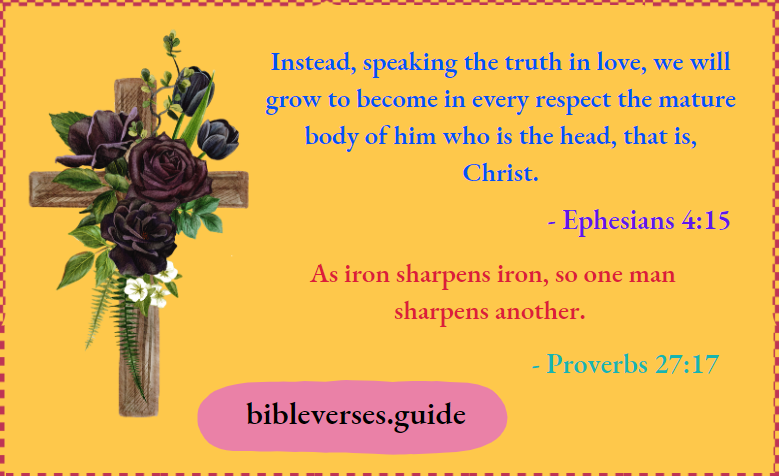
Paul called us to speak the truth in love (Eph. 4:15) and Solomon told us that iron sharpens iron (Prov. 27:17), but I do think the “evil one” wreaks havoc among believers when he tempts us to emphasize judgmental words instead of gracious interaction.

Colossians 4:6 Bible Study Guide

As iron sharpens iron, so one man sharpens another

One of the most gracious people I know is my friend Marian. She is a sincerely kind person who always gives people the benefit of the doubt.

I have been with her and seen her words and manner turn a potential confrontation into a friendly encounter.

Biblical Perspective On Colossians 4:6

A few years ago we were in a grocery store checkout lane when a woman butted in front of Marian. I couldn’t believe it, and I was ready to tell this woman to step to the rear.

Before I could say a word, Marian smiled at her and stepped back to let her in. “Do you live around here?” Marian asked.

Colossians 4:6 Niv Meaning And Application

The woman looked surprised but answered. A few more gracious comments from Marian had this woman smiling and talking like they were old friends.

I don’t know if God will ever use that brief encounter to bring that woman to a knowledge of Jesus (if she didn’t know him already), but I do know that Marian’s attitude reflected a light that drew the woman in; it reflected the grace that God gives each of us.

Joshua 6:6-27 – So Joshua Son Of Nun Called The Priests

No Whining, Please

The Israelites had conquered Jericho and Joshua’s “fame spread 1 throughout the land” (Josh. 6:27). But Achan disobeyed God’s order. He took some of the things that God had told the Israelites to leave alone.

God’s anger “burned against Israel” (Josh. 7:1) and they lost their next battle, suffering the death of some three thousand men. Joshua tore his clothes and fell down on the ground.

The Lord Was With Joshua, And His Fame Spread Throughout The Land

The next few verses (Josh. 7:7-9) record Joshua’s lament to God. He asked God why he had brought them to this side of the Jordan only for the enemy to defeat them.

Then in verse 10, we have God’s response: “Stand up! What are you doing down on your face?”

There Joshua was in front of God the Most High, whining about circumstances, albeit grave circumstances.

Bible VersesKnowledge Of The HolyEvery Christian Should Know
Key Biblical Messianic PropheciesPower in the BloodPresence of GodSavior on the Cross
Pursuit of GodBible Study For BeginnersPray For Those You LoveHeart Of God

When my behavior resembles Joshua’s I find myself paralyzed. I fuss about conditions that don’t seem to be my fault.

“Why am I so overtired, God? Why did you let me take on so many responsibilities that I can’t complete without burning out? Why do you want me to do so much?” Whine, whine, whine.

Then I remember this verse. I love it.

“Stand up!”

“What! Me? But I’m a mess and I’m tired and I need comfort.”

“What are you doing down on your face?”

“I’m crying out in front of you, God. Can’t I do that?”

And then I can almost see him smile. Of course, I can cry in front of God, be honest about my feelings, and go to him for comfort.

But sometimes I behave like a spoiled child. I have made some poor choices and had to live in the wake of their consequences.

I want a quick fix, a big hug. Instead, God draws me up short out of my pity and I face reality.

His words have the power to change my whining to repentance. I know that God has a lot to say about the balance and nurture of the soul.

Jesus went away by himself to pray (Matt. 14:23), and I don’t do that when I am overly busy.

I neglect the very thing that gives me life. I don’t have time for refreshment from God, so I go to him and complain about all I have to do.

Standing up and looking in the mirror works wonders. I no longer maintain the posture of a victim but come before my Father and ask his forgiveness. Then I decide what I need to do to remedy my situation.

Sometimes the solution is painful. I may have to reevaluate commitments and alter my schedule. I need to pay attention to whatever it is that I have done to render me helpless on the floor.

Then I experience God’s forgiveness and blessing. Then I stand up, to his glory Father, forgive me when I sit in self-pity.

Thank you for the strong words that changed me.