
Chapter 9 Developing a Consistent Prayer Life
Many believers make the mistake of only praying to God when in need or afraid. Remembering to pray when facing a problem too big to handle or when scared and unsure is easy.
In times like this, you quickly pour your heart out, telling Him about your troubles, fears, and worries because you desperately seek His intervention.
While it’s good to pray in these times because God wants you to bring your needs and fears to Him, prayer is much more than a tool for emergencies or solving your problems. Prayer is a way to build a deep and personal relationship with God.
Imagine if you only talked to a close friend when you needed something or were afraid. The relationship would feel shallow and one-sided, wouldn’t it? The same is true with God.
He desires a relationship with you based on more than your needs. God wants you to come to Him in all situations. 1 Peter 5:7, “Cast all your anxiety on him because he cares for you.” It doesn’t matter if you’re happy, sad, joyful, or grieving. He wants to always fellowship with you.
Read and Learn More Bible Study Acts Chapter wise
Making time to pray and study the bible regularly is telling the Lord you value your relationship with Him. Tell him everything. He will listen and help you.
Developing a consistent prayer life tells God you want to know Him more deeply, not because of what He can do for you, but because of who He is.
God knows you’re using Him only for the one- issue-to-worry-about prayer. Instead, consciously seek Him daily, spend time in His presence, and talk to Him about everything. You will build a rich and lasting relationship with your Heavenly Father, brick by brick.
This chapter will help you develop a consistent prayer life because you’ll need it while searching for and developing your God-given purpose.
Benefits Of Regular Pray And Bible Study
Increase in Faith Level
Praying and reading the Bible daily helps your faith grow stronger, like exercising makes your body stronger. The more you learn about God’s love and promises, the more you trust Him.
You saw how God helped people in the Bible. Start believing He can help you, too. Whenever you pray, you’re showing trust in God and building faith over time.
Romans 10:17, “So then faith comes by hearing, and hearing by the word of God.” Hebrews 11:6, “And without faith, it is impossible to please God, because anyone who comes to Him must believe that He exists and that He rewards those who earnestly seek Him.”
Increase In Peace
Regular prayer and Bible study bring peace into your life. When you pray, you give your worries and problems to God, like handing over a heavy bag to someone to carry it.
Reading the Bible reminds you of God’s promises and care for you, helping you feel calmer and less stressed. You feel peace, knowing God is always with you. Philippians 4:6-7:
“Do not be anxious about anything, but in every situation, by prayer and petition, with thanksgiving, present your requests to God. And the peace of God, which transcends all understanding, will guard your hearts and your minds in Christ Jesus.”

Increase In Guidance
If you cultivate the habit of praying (asking God) for guidance, you will see how real God is in your life. Jeremiah 33:3 says, “Call to me and I will answer you and tell you great and unsearchable things you do not know.”
You ask for guidance because you do not know. God can show you the right path, the best decisions, and the people who will help you grow.
Regular Bible study enables you to understand God’s guidance better. Psalm 119:105, “Your word is a lamp for my feet, a light on my path.”
When you read the Bible often, you learn about what God wants for your life. You start to feel more confident in knowing what to do.
Biblical Examples Of People With A Disciplined Prayer Life Daniel
Daniel was a man in the Old Testament with a disciplined prayer life. The Bible states that Daniel prayed to God three times daily, kneeling by his window facing Jerusalem (Daniel 6:10).
It was a habit he would not break even if his life depended on it. He continued to pray even when the king made a law that anyone who prayed to anyone other than the king would be thrown into a den of lions.
But he wasn’t afraid. Like he said in Daniel 11:32, “…but the people who know their God shall stand firm and take action.” (ESV)
Jesus
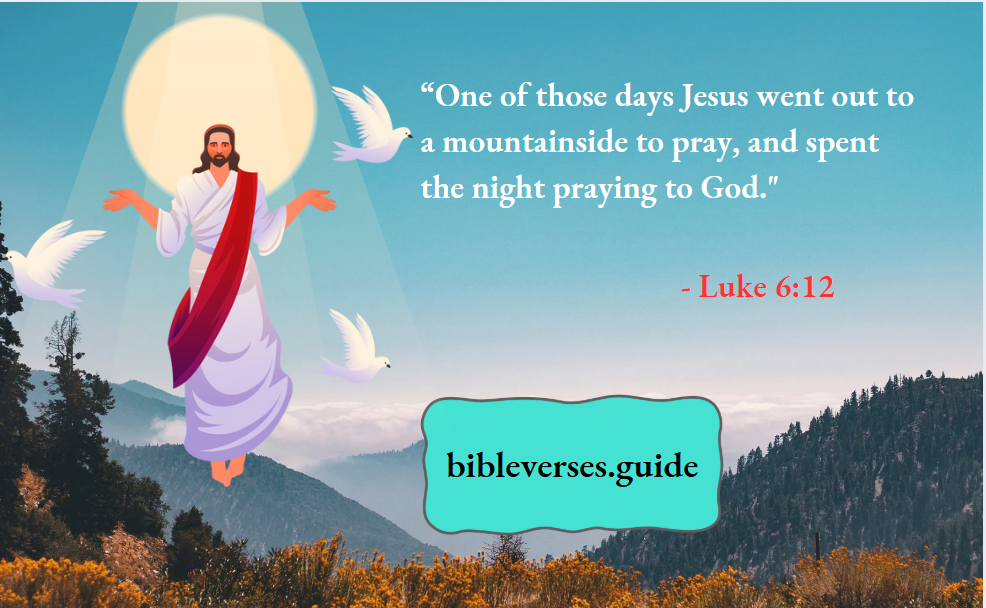
Jesus is the perfect role model of a disciplined prayer life. Even though He had a very busy life, He made time to pray for an hour or more. Jesus traveled about teaching people, healing the sick, and performing miracles, yet He prayed regularly.
He often went to quiet places early in the morning or late at night to pray to His Father in heaven. Mark 1:35: “Very early in the morning, while it was still dark, Jesus got up, left the house, and went off to a solitary place, where he prayed.”
Matthew 14:23: “After he had dismissed them, he went up to a mountainside by himself to pray. Later that night, he was there alone.”
The Early Christians
The early Christians were the multitude who followed Jesus wherever He went. So, when He ascended to heaven, they would come together as a group, often meeting in each other’s homes to share meals and pray. The Bible says they were “Devoted to the apostles’ teaching and to fellowship, to the breaking of bread and to prayer” (Acts 2:42). They were very committed to spending time together, learning more about God, and praying. In Acts 12:5-7, they prayed fervently, and an angel rescued Peter.
Practical Tips for Creating a Prayer Schedule
Setting Specific Times for Prayer
When will you most likely have a few quiet minutes throughout your day? Is it early in the morning before the house wakes up or in the evening after the kids are in bed? Find a time that works best for you, and try to stick to it every day.
Setting a regular time helps make prayer a habit. You might start with praying in the morning when you wake up or praying at night as the last thing you do before bed. Or it could be both.
Setting Specific Places For Prayer
Just as having a specific time is important, it can also help to have a special place for prayer. This should be somewhere you feel comfortable and can focus on talking to God. It could be a corner of your bedroom, a cozy chair in your living room, or a spot in your garden. The aim is to ensure you don’t get distracted. It helps you feel closer to God because it’s just you and Him in that moment.
Methods of Prayer
Prayer of Adoration
A prayer of adoration is when you praise God for who He is. In this prayer, you tell Him how wonderful, powerful, and loving He is. An example of this prayer is in Psalm 104:1-4: “Praise the Lord, my soul. Lord my God, you are very great; you are clothed with splendor and majesty. The Lord wraps himself in light as with a garment; he stretches out the heavens like a tent and lays the beams of his upper chambers on their waters…”
Prayer of Confession
1 John 1:8: “If we claim to be without sin, we deceive ourselves and the truth is not in us.”This is a prayer where you humbly tell God what you’ve done wrong and ask for His forgiveness. Being honest with God about your mistakes is crucial.

Prayer Of Thanksgiving
In this prayer, thank God for all the good things in your life. Don’t focus on what you don’t have. Instead, count your blessings and name them one by one, like the Psalmist says. You will see you have more than enough reasons to give thanks to God. 1 Chronicles 16:34, “Give thanks to the Lord, for he is good; his love endures forever.”
Prayer of Supplication
This is the prayer where you ask for God’s help with your needs and the needs of others. You can bring it to God, whether it’s something big or small. The Bible says in Ephesians 3:20 that God “…is able to do immeasurably more than all we ask or imagine, according to his power that is at work within us…” So, ask him for help.
Suggestions for Integrating Bible Study into Daily Routines
A devotional is a short reading, usually including a Bible verse and a short reflection or story to help you contemplate God’s Word.
You can read this in the morning with your prayer or any time during the day. It may be brief, but it can set a positive tone for your day and remind you of God’s presence.
You can follow a Bible reading plan to guide you on which verses to read each day. Many plans are available online. Some are designed to be read in a year.
Others focus on specific topics or books of the Bible. Choose a plan that interests you and fits into your schedule.
You can combine your prayer time with Bible study. As you go to God in prayer and Bible study, you will “… hear a voice behind you, saying, “This is the way; walk in it.” (Isaiah 30:21).
Journaling Prompt
Create a weekly prayer and Bible study schedule. Plan out specific times each day dedicated to prayer and reading the Bible. Use your journal to track your progress, noting insights or answered prayers. Reflect on how this routine strengthens your relationship with God.